ONE PLAN, TWO TREATED AREAS
What Is Fat Transfer to the Breast?
Fat transfer to the breast, also called autologous breast fat grafting, removes fat from a donor area with liposuction, prepares it, and places selected fat into the breast. The breasts and donor area both heal after surgery.
This method may suit a modest volume, asymmetry, or contour goal without a breast implant. Some transferred fat does not remain, and early swelling can make the breasts appear fuller than the eventual result. [1] More than one session may be discussed, but it is neither automatic nor guaranteed.
Fat adds volume; it does not reliably lift a low breast or tighten stretched skin. When the desired change is larger or position is central, an implant, a Breast Lift, or a combined or staged plan may better match the goal.

MATCH THE METHOD TO THE CHANGE
What Can Breast Fat Transfer Reasonably Change?
Women consider this option for different reasons. These goals begin the conversation; anatomy and examination determine whether fat transfer fits.
- Add a modest amount of breast volume without an implant
- Address selected side-to-side volume differences
- Refine a localized contour or tissue-coverage concern
- Use available donor fat within a two-area surgical plan
- Compare fat with implants, lifting, staging, or no surgery
The donor area is selected to support safe fat collection. Any contour change there is secondary to the breast plan and cannot promise a particular waist, thigh, or body contour.

DESIRED CHANGE, DONOR TISSUE, AND POSITION
Breast Fat Transfer Candidacy and Consultation
Candidacy depends on the desired change, available donor tissue, breast position, skin and tissue quality, asymmetry, prior breast or liposuction surgery, breast-screening history, health, nicotine exposure, medications, weight stability, future pregnancy or weight plans, and acceptance of variable retention.
You do not need to choose a donor site or estimate how much fat is available before consultation. Body type alone does not establish candidacy, and an online checklist cannot determine whether available tissue matches the desired breast change.
Consultation clarifies whether fat can reasonably address the scale of change and whether the concern is primarily volume or position. Breast Augmentation provides the implant-based comparison; Breast Lift addresses position and the skin envelope.
When Surgery May Not Be the Right Choice
The purpose of consultation is to identify the most appropriate next step—not to presume that an operation is needed. Dr. Howarth may recommend waiting, further evaluation, a different setting or approach, nonsurgical care, or no surgery when that is the more appropriate recommendation.
PERSONAL DECISIONS. THOUGHTFUL CARE.
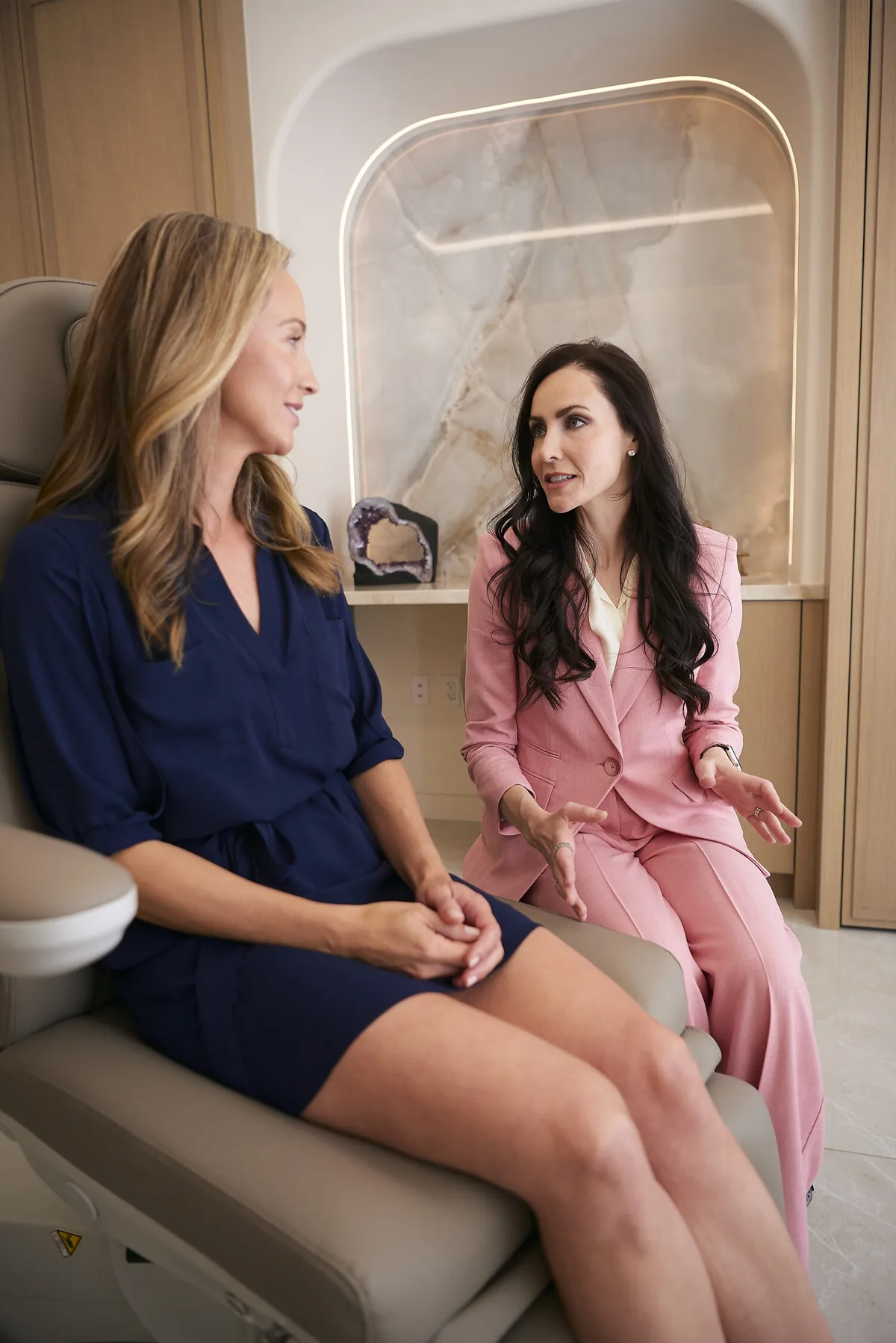
Privacy During Breast Surgery Consultation and Care
Questions about breast surgery can feel personal. When you contact us, you can tell us whether you prefer a call or text. Your consultation with Dr. Howarth is a thoughtful conversation about your anatomy, concerns, and goals.
BIOLOGICAL LIMITS REQUIRE JUDGMENT
Choosing a Breast Fat Transfer Surgeon: Why Dr. Howarth
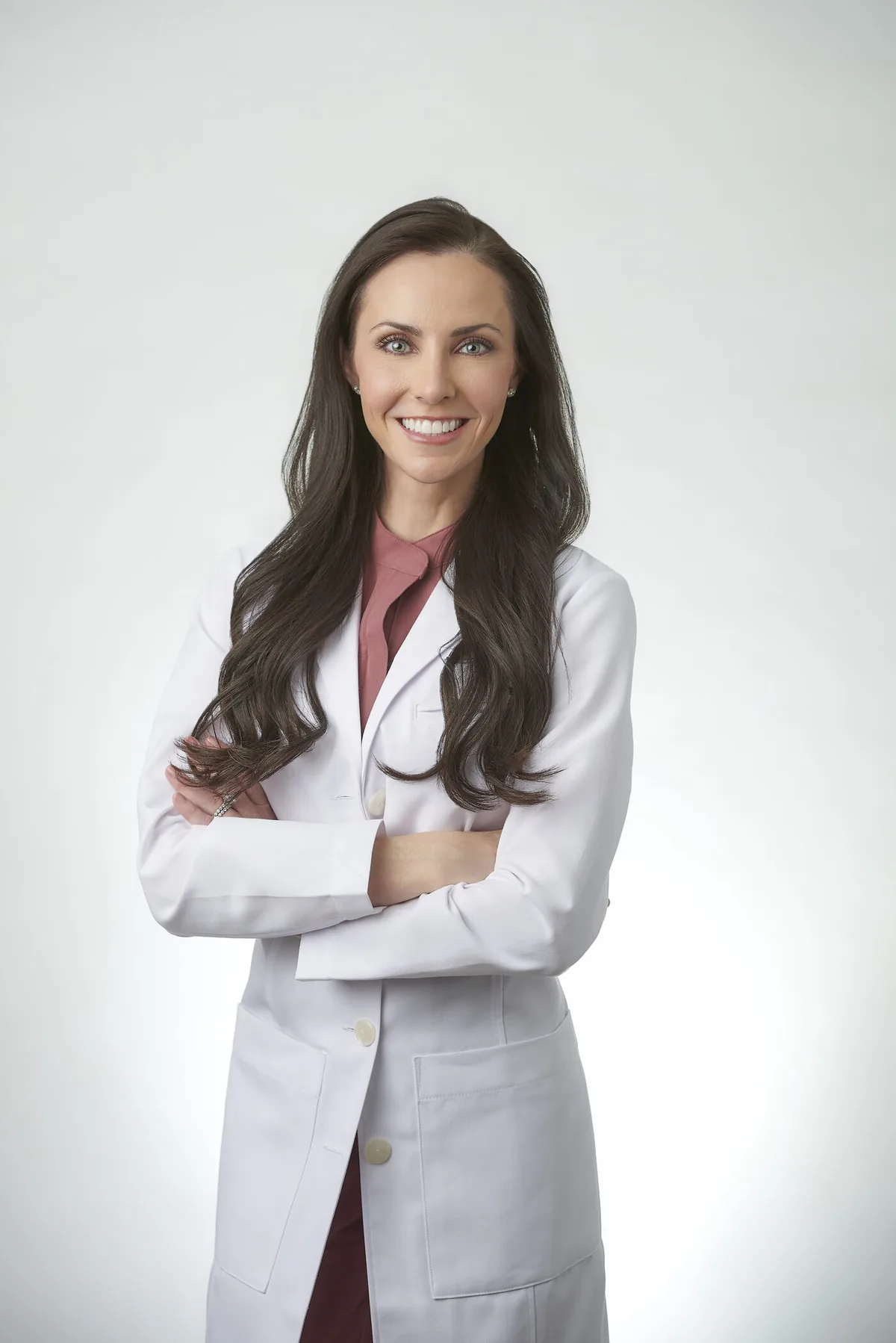
Ashley Howarth, MD, FACS, is a board-certified plastic surgeon in Scottsdale, a Diplomate of the American Board of Plastic Surgery, an Instructor in Plastic Surgery at Mayo Clinic, and a Fellow of the American College of Surgeons. Her background includes nine years of formal surgical training in general, plastic, and reconstructive surgery.
Fat transfer requires judgment at two sites. The surgeon must consider how donor tissue can be harvested without promising a donor-area result and whether breast tissue and blood supply can support the intended change. Position, skin, asymmetry, screening history, and goals influence whether fat alone fits.
A useful consultation explains the realistic scale of change, the breast and donor-site plan, and how fat compares with implants, a lift, or staging.
PLASTIC SURGERY
OF SURGEONS
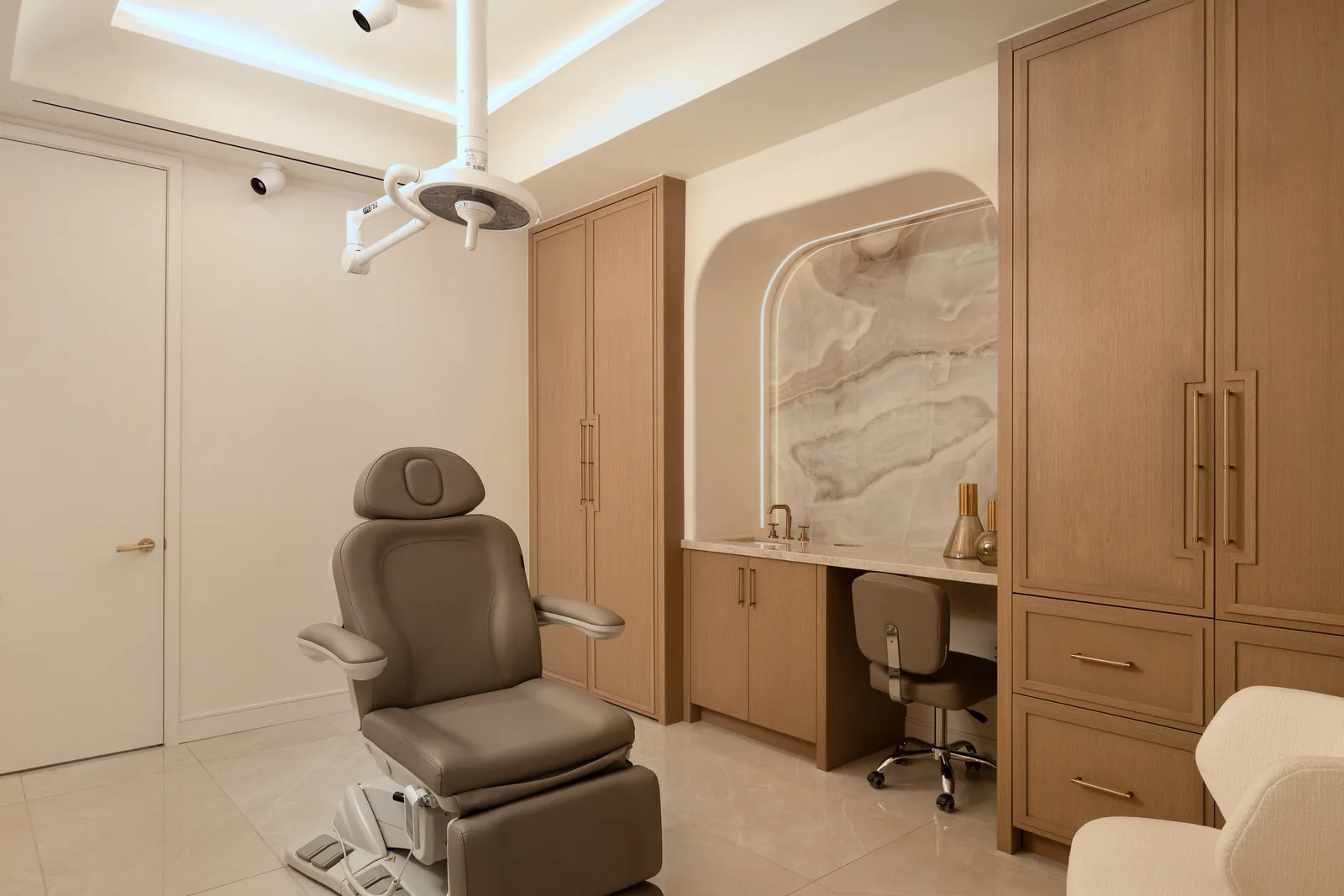
SCOTTSDALE · MODERN OFFICE SETTING
FROM CONSULTATION TO CONFIDENCE
Fat Transfer to the Breast Consultation and Patient Care Coordination
From your first inquiry, your patient care coordinator helps organize scheduling, estimates, financing, forms, travel, and follow-up logistics. Dr. Howarth and her clinical team answer medical questions and make all clinical recommendations.

A thoughtful beginning.
Your coordinator can arrange consultation and explain which records, photographs, screening information, or other details to have ready. An in-person examination is completed before the breast and donor-area plan is finalized.
Clear information before you decide.
After Dr. Howarth recommends a plan, your coordinator can review the written estimate, available financing options, scheduling requirements, forms, and next steps. The estimate reflects both treated areas and any combined procedure.
Practical details, clearly organized.
If you are traveling to Scottsdale, your coordinator can help align consultation, surgery, donor-area care, and follow-up timing. The clinical team provides individualized medical and recovery guidance.
COMPARE METHODS, NOT MARKETING LABELS
Breast Volume and Position Options
Fat Transfer
May fit modest volume or contour goals when donor tissue is available and position does not require lifting.
Implant Augmentation
Offers different dimension and volume planning with device-specific risks, surveillance, and possible future surgery.
Breast Lift
Addresses breast and nipple position and the skin envelope; fat alone does not reliably lift.
Another Path
Fat may be one part of revision or developmental-shape planning, sometimes combined or staged.
HARVEST · PREPARE · PLACE
What Happens During Fat Transfer to the Breast?
Procedure day follows the breast and donor-area plan established in consultation. The setting, anesthesia, duration, garments, and discharge details are individualized.
The plan and markings, reviewed.
The team reviews breast goals, donor areas, markings, safety information, transportation, and remaining questions.
Fat is prepared and transferred.
Fat is collected through small liposuction access incisions, prepared, and placed into planned breast areas.
Instructions address both sites.
The team reviews incisions, support, activity, garments, follow-up, and how to contact the practice.
CLEAR INFORMATION FOR BOTH TREATED AREAS
Breast Fat Transfer Safety and Limitations
Fat transfer is surgery involving both the breast and donor area. The safety discussion considers breast tissue, donor anatomy, screening history, health, nicotine exposure, anesthesia, the harvest and placement plan, and how both areas are expected to heal.
Routine breast-health screening continues. Tell imaging clinicians about prior fat transfer so findings can be interpreted in context. A new or changing breast finding still deserves appropriate clinical evaluation.
Possible Considerations Include
- Infection, fat necrosis, oil cysts, or calcifications
- Loss of grafted volume, asymmetry, or contour differences
- Donor-site scars, swelling, bruising, or altered sensation
- Fluid collection or irregularity at either treated area
- Additional imaging, clinical evaluation, or treatment
- General surgical and anesthesia risks based on the complete plan
What Fat Transfer Cannot Guarantee
- A particular cup size, exact retained volume, or survival of every grafted fat cell
- Exact symmetry, a reliable lift, or correction of a stretched skin envelope
- A specific donor-area contour or the ability to choose any harvest area
- Preserved breastfeeding or unchanged sensation in every patient
- Freedom from staged treatment, future evaluation, weight-related change, or another procedure
EARLY FULLNESS IS NOT THE FINAL RESULT
Recovery After Fat Transfer to the Breast
Recovery reflects both breasts and the donor site. Early swelling can temporarily increase breast fullness, while bruising, soreness, tightness, and contour changes may be more noticeable where fat was harvested.
Breast and donor-area swelling, bruising, incision care, support needs, and temporary asymmetry gradually change.
Work, driving, sleep, caregiving, garments, and travel resume according to both treated areas and healing.
Lifting and exercise return after both areas heal sufficiently and the clinical team provides clearance.
As swelling decreases, donor contours evolve and retained breast volume becomes clearer; each breast may settle differently.
BEFORE & AFTER GALLERIES
Private Fat Transfer to the Breast Before & After Gallery
Fat Transfer to the Breast before-and-after photographs can feel deeply personal. As both a woman and a surgeon, Ashley Howarth, MD, FACS, understands the trust involved in sharing them. Howarth Plastic Surgery in Scottsdale makes galleries of real patient results available by request through private before-and-after reviews.
Keeping fat transfer to the breast before-and-after galleries off unrestricted public pages helps preserve patient dignity and clinical context while limiting casual viewing, unauthorized reposting, and collection by automated systems or AI agents.
During your private before-and-after review, you can see a range of fat transfer to the breast results and discuss how starting anatomy, surgical choices, healing, and time influenced each outcome. These photographs can support an informed consultation, but individual results vary, and no image can predict your outcome.
PATIENT CASE SUMMARIES
Selected Fat Transfer to the Breast Case Summaries
These deidentified case summaries illustrate how Ashley Howarth, MD, FACS, evaluates fat transfer to the breast at Howarth Plastic Surgery in Scottsdale, Arizona. They address modest volume goals, asymmetry, donor-site selection, post-explant contour, staged grafting, and situations in which another operation is more appropriate. To protect patient privacy, some nonclinical identifying details have been generalized or modified. Individual anatomy, fat retention, healing, and results vary.
Case 01
Modest enhancement
A modest volume goal and adequate donor fat supported breast fat grafting
Patient presentation
The patient wanted a limited increase in breast volume without an implant and accepted that one session might not create the full desired change.
Clinical evaluation
Dr. Howarth evaluated breast skin, tissue capacity, asymmetry, donor sites, weight stability, and the variability of graft retention.
Procedure performed
Fat was harvested, prepared, and transferred in a distributed pattern according to the confirmed breast and donor-site plan.
Clinical rationale
Fat transfer is best suited to measured contour and volume goals that remain within the recipient tissue's capacity.
Follow-up
Breast healing, donor-site recovery, contour, and retained volume were assessed after postoperative swelling evolved.
Case 02
Asymmetry
Localized breast asymmetry was treated with side-specific fat placement
Patient presentation
The patient described a focal volume difference that was most visible in the upper or medial breast contour.
Clinical evaluation
Measurements identified the deficient region, native shape differences, donor-fat availability, and limits on how much correction one session could provide.
Procedure performed
Fat grafting was performed with side-specific placement targeted to the documented contour difference.
Clinical rationale
Selective placement can improve a localized deficit while recognizing that exact symmetry and complete graft survival cannot be guaranteed.
Follow-up
Dr. Howarth reviewed retained contour, residual asymmetry, imaging considerations, and whether additional treatment was warranted.
Case 03
After explant
Contour loss after implant removal was addressed with selective fat transfer
Patient presentation
After implant removal, the patient wanted modest restoration of a localized hollow without replacing the implant.
Clinical evaluation
Examination assessed skin contraction, remaining breast tissue, scars, vascularity, donor fat, and whether a lift was also needed.
Procedure performed
Selective fat grafting was performed after the breast tissue was considered suitable for the planned correction.
Clinical rationale
Post-explant fat transfer can address selected contour deficits but cannot reproduce implant volume or independently lift the breast.
Follow-up
Follow-up evaluated breast shape, graft retention, scar behavior, and healing at the donor site.
Case 04
Combined care
Fat grafting supplemented a lift without replacing the structural work of mastopexy
Patient presentation
The patient had breast descent and localized upper-breast deflation but did not want an implant.
Clinical evaluation
Dr. Howarth separated the need for skin-envelope reshaping from the limited volume change fat grafting could provide.
Procedure performed
A breast lift and targeted fat transfer were performed as a coordinated plan for position and selected contour.
Clinical rationale
The lift treats position and excess skin, while transferred fat addresses a measured volume deficit.
Follow-up
Incisions, nipple position, donor-site healing, breast contour, and retained graft volume were reviewed over follow-up.
Case 05
Staged grafting
A larger volume goal required discussion of staged fat transfer rather than overfilling
Patient presentation
The patient preferred her own fat but wanted more enlargement than one conservative transfer was expected to provide.
Clinical evaluation
Evaluation considered donor supply, recipient capacity, circulation, expected retention, and the alternative predictability of an implant.
Recommendation
Dr. Howarth recommended a staged grafting plan or implant consultation rather than attempting excessive transfer in one operation.
Clinical rationale
Recipient tissue and blood supply limit safe graft volume, and adding more fat does not ensure greater retained volume.
Follow-up
Further treatment remained dependent on retained volume, donor-site availability, and reassessment after the first stage healed.
Case 06
Not a candidate
Limited donor fat and a substantial size goal made fat transfer a poor fit
Patient presentation
The patient requested a pronounced breast-size increase using fat but had little suitable donor tissue.
Clinical evaluation
Dr. Howarth compared the desired change with donor volume, breast capacity, weight stability, and the likelihood of needing multiple operations.
Recommendation
Breast fat transfer was not recommended, and implant-based augmentation or no surgery was discussed instead.
Clinical rationale
A procedure should not be offered when the available tissue cannot reasonably support the patient's stated goal.
Follow-up
No fat-grafting operation was scheduled while the patient considered the alternatives and their distinct tradeoffs.
PLANNING WITH CLARITY
Fat Transfer to the Breast Cost, Financing, and Travel to Scottsdale
Fat Transfer to the Breast Cost
At Howarth Plastic Surgery in Scottsdale, fat transfer breast augmentation typically costs $15,600 when performed as the primary procedure. Plans that combine fat transfer with implant removal or a breast lift typically cost $23,500 to $35,000. Your final fee depends on the breast plan, donor areas, anesthesia, surgical setting, and whether another procedure is included. After consultation with Dr. Howarth, you will receive a personalized written estimate for the plan she recommends.
Financing Options
Howarth Plastic Surgery is a cash-pay practice and does not accept or bill insurance. Your patient care coordinator can review financing through PatientFi and CareCredit, subject to third-party approval.
Planning Care in Scottsdale
If you are traveling from elsewhere in Arizona or out of state, out-of-town patient information can help you plan around consultation, surgery, and follow-up. Required appointment dates, how long to remain nearby, and when travel may resume are individualized. An initial consultation may take place virtually, but an in-person examination is required before the operative plan is finalized.
YOUR QUESTIONS, ANSWERED
Breast Fat Transfer Frequently Asked Questions
Fat is removed from a donor area with liposuction, prepared, and placed into selected breast areas. The breasts and donor area both heal.
The expected change is generally modest and depends on breast tissue, skin, donor fat, goals, and the plan. A cup size cannot be promised.
Not all transferred fat remains, and the retained amount varies. Early swelling can exaggerate fullness, so results are evaluated after healing.
Yes. The plan requires suitable donor tissue, but body type or a self-selected donor area does not determine candidacy online.
Fat adds volume; it does not reliably reposition a low breast or tighten stretched skin. Breast Lift may be the more useful discussion.
It may be one part of selected augmentation or revision plans. Breast tissue, implant or pocket concerns, donor anatomy, staging, risks, and goals are evaluated together.
Fat necrosis, oil cysts, calcifications, or other findings may appear. Routine screening continues, prior surgery should be disclosed, and further evaluation may sometimes be appropriate.
They are possible changes when transferred fat does not remain as healthy tissue. They may be felt or seen on imaging and can require evaluation.
Possibly. Another session may be discussed when the desired change, donor availability, retained result, health, and healing support it. It is not automatic.
At Howarth Plastic Surgery in Scottsdale, fat transfer breast augmentation typically costs $15,600 when performed as the primary procedure. Plans that combine fat transfer with implant removal or a breast lift typically cost $23,500 to $35,000. Your final fee depends on the breast plan, donor areas, anesthesia, surgical setting, and whether another procedure is included. After consultation with Dr. Howarth, you will receive a personalized written estimate for the plan she recommends.
Both breasts and donor areas heal. Work, driving, garments, exercise, and travel guidance reflect the complete two-area plan and individual healing.
Travel may be possible when consultation, surgery, and follow-up can be coordinated safely. Begin with the Out-of-Town Patient guide.
Related Care
Related Breast Procedures
Continue with the page that best matches the question or surgical decision you are considering.
- Breast Augmentation The complete implant-based augmentation decision.
- Breast Lift Breast and nipple position and the skin envelope.
- Ballerina Breast Augmentation A restrained aesthetic direction, independent of method.
- Tuberous Breast Correction Developmental breast-base constriction and shape.
- Breast Revision Concerns after prior breast surgery.
BEGIN HERE
Request a Consultation
Tell us what you are considering. A member of our patient care team will follow up with consultation availability and next steps.

Megan S.
Patient Coordinator
Prefer to talk or text?
Selected Medical References