
A SMALL AREA. A PRECISE DECISION.
What Are Areolar and Nipple Corrections?
Areolar and nipple correction addresses a concern limited to the nipple, the areola, or both. It does not automatically change breast position or volume. When the breast base, skin envelope, volume, position, or prior surgery contributes to the appearance, a breast-level plan may fit better.
The nipple is the central projecting structure. The areola is the pigmented skin around it. Both vary naturally in size, shape, color, projection, and symmetry, and there is no single measurement or appearance every breast should match.
There is no single nipple or areola procedure. [1] Dr. Howarth first determines whether the concern is isolated or part of a broader breast-shape change. A focused correction may be considered alone or as part of a lift, reduction, augmentation, tuberous breast correction, or revision.

BEGIN WITH WHAT YOU NOTICE
Which Nipple and Areola Concerns Can Be Evaluated?
Some concerns have been present since breast development. Others become noticeable after pregnancy, breastfeeding, weight change, aging, or prior breast surgery. Consultation can help name what is changing without assuming that normal variation needs treatment.
- Areolar size, shape, elongation, prominence, or asymmetry
- Nipple inversion, projection, size, or side-to-side difference
- Changes after pregnancy, breastfeeding, weight change, or aging
- Changes connected to prior breast surgery or existing scars
- A focused concern that may reflect a breast-wide shape pattern
The useful discussion is about proportion within your own breast—not comparison with a universal ideal or an assumption that every difference needs treatment.


ISOLATED CONCERN OR BREAST-WIDE CHANGE?
Areolar and Nipple Correction Candidacy and Consultation
Consultation may be appropriate when a nipple or areola concern is personally meaningful and you want to understand what a focused correction could reasonably change. Dr. Howarth considers when the concern began, whether it has been stable, pregnancy and breastfeeding goals, nipple sensation, prior procedures and scars, breast development, asymmetry, skin, volume, position, health, and nicotine exposure.
A nipple that has always been inverted is different from one that recently turns inward. A new inversion, spontaneous discharge, lump, or persistent nipple or breast-skin change should be medically evaluated before an elective cosmetic plan is finalized. This does not mean a serious condition is present; it means a new change should be understood rather than assumed to be cosmetic.
Depending on examination, the recommendation may be a focused correction, a breast-level procedure, observation or additional evaluation. Breast Lift, Breast Reduction, Breast Augmentation, and Tuberous Breast Correction explain broader pathways.
When Surgery May Not Be the Right Choice
The purpose of consultation is to identify the most appropriate next step—not to presume that an operation is needed. Dr. Howarth may recommend waiting, further evaluation, a different setting or approach, nonsurgical care, or no surgery when that is the more appropriate recommendation.

PERSONAL DECISIONS. THOUGHTFUL CARE.
Privacy During Breast Surgery Consultation and Care
Questions about breast surgery can feel personal. When you contact us, you can tell us whether you prefer a call or text. Your consultation with Dr. Howarth is a thoughtful conversation about your anatomy, concerns, and goals.
PRECISION BEGINS WITH JUDGMENT
Choosing a Plastic Surgeon for Nipple or Areola Correction: Why Dr. Howarth
Ashley Howarth, MD, FACS, is a board-certified plastic surgeon in Scottsdale, a Diplomate of the American Board of Plastic Surgery, an Instructor in Plastic Surgery at Mayo Clinic, and a Fellow of the American College of Surgeons. Her background includes nine years of formal surgical training in general, plastic, and reconstructive surgery.
Nipple and areola planning involves a small anatomical area with meaningful considerations: scars, blood supply, symmetry, sensation, recurrence, and possible effects on breastfeeding. The surgeon must also recognize when the concern connects to the breast base, skin envelope, breast position, or prior surgery.
Dr. Howarth’s role is to keep a focused plan appropriately focused and explain when the whole breast needs to enter the conversation—not promise that every difference should or can be corrected.
PLASTIC SURGERY
OF SURGEONS

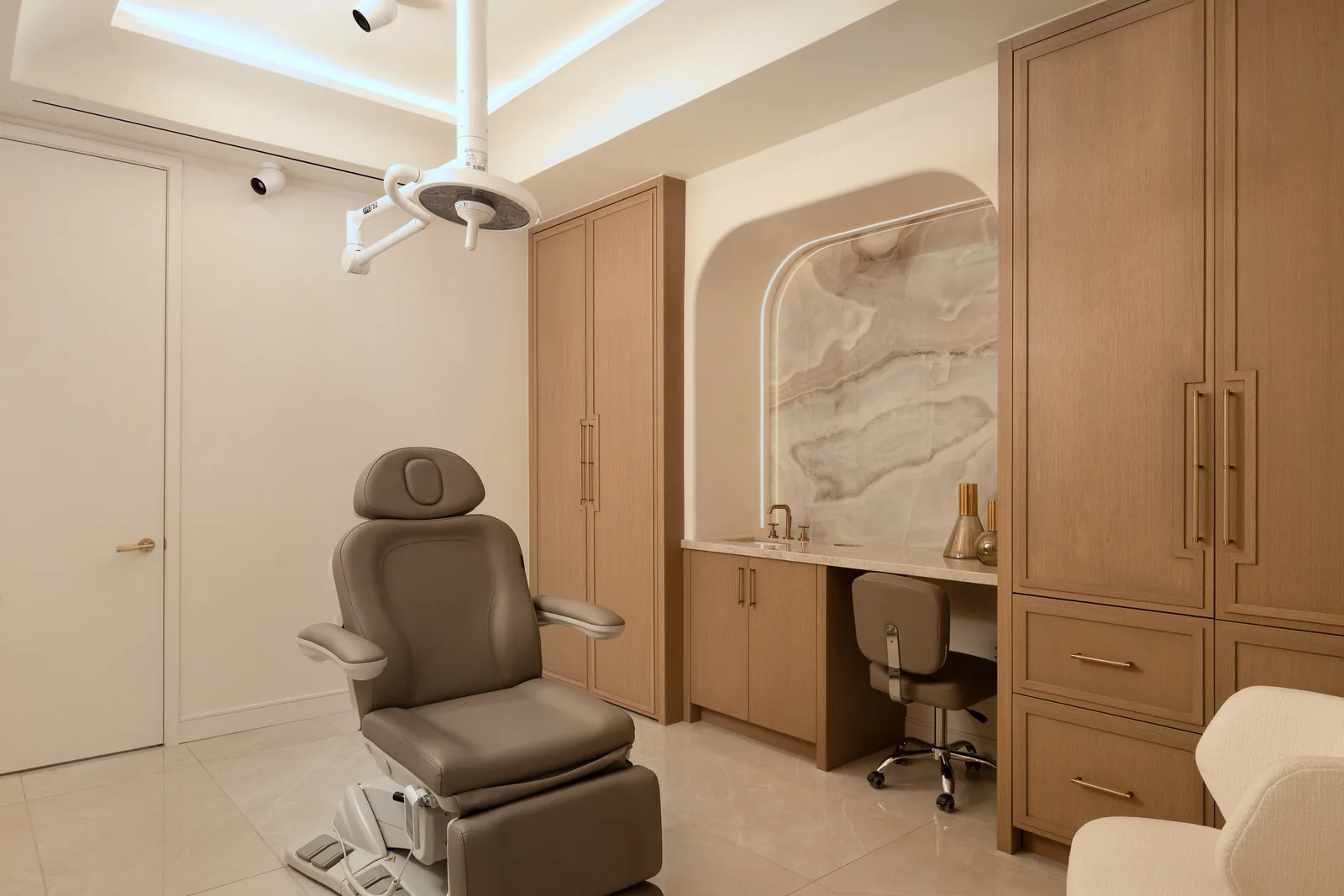
SCOTTSDALE · MODERN OFFICE SETTING
FROM CONSULTATION TO CONFIDENCE
Areolar and Nipple Correction Consultation and Patient Care Coordination
From your first inquiry, your patient care coordinator helps organize scheduling, estimates, financing, forms, travel, and follow-up logistics. Dr. Howarth and her clinical team answer medical questions and make all clinical recommendations.

A thoughtful beginning.
Your patient care coordinator can arrange an in-person or virtual consultation and explain what records, photographs, or other information to have ready. An in-person examination is completed before the plan is finalized.
Clear information before you decide.
After Dr. Howarth recommends a plan, your coordinator can review the written estimate, available financing options, scheduling requirements, forms, and next steps. The estimate reflects whether the correction is focused or part of a broader operation.
Practical details, clearly organized.
If you are traveling to Scottsdale, your coordinator can help align consultation, surgery, and follow-up timing. Dr. Howarth and her clinical team provide individualized medical and recovery guidance.
THE SCOPE SHOULD MATCH THE CONCERN
Areolar and Nipple Correction Options and Tradeoffs
Areolar Correction
Size, shape, prominence, or asymmetry may be addressed when the concern is meaningfully isolated.
Nipple Correction
Inversion, projection, size, or asymmetry may be considered with sensation, recurrence, and breastfeeding priorities.
Breast-level Plan
A lift, reduction, augmentation, tuberous correction, or revision may fit when the whole breast contributes.
Another Path
Normal variation may need no treatment, while a new nipple change may warrant medical evaluation first.
CONFIRM · PERFORM · RECOVER
What Happens on the Day of Areolar or Nipple Correction?
The method, anesthesia, setting, incision, and duration follow the selected correction and complete surgical plan rather than the page title alone.
The agreed change, reviewed.
Dr. Howarth reviews the goal, expected scars, priorities, and whether the correction is focused or part of a larger operation.
The work follows the anatomy.
The technique, incision, setting, and anesthesia follow the selected correction, tissue, and complete surgical plan.
Instructions match the procedure.
The team reviews dressings, medications, activity, follow-up, and how to contact the practice according to the work performed.
INFORMED, NEVER OVERWHELMED
Areolar and Nipple Correction Safety and Limitations
The considerations that matter most depend on whether the correction involves the nipple, areola, or both and whether another breast procedure is included. Dr. Howarth reviews how the proposed incision, tissue work, blood supply, sensation priorities, breastfeeding goals, and healing apply to your plan.
Surgery may improve a defined concern, but natural tissue, healing, pregnancy, aging, and weight change continue to influence the breast. The goal is a proportionate improvement with a clear understanding of the tradeoffs—not a promise of perfection.
Possible Considerations Include
- Bleeding, infection, delayed healing, or tissue problems
- Permanent scars, contour change, pigment change, or widening
- Temporary or lasting changes in nipple or areola sensation
- Persistent asymmetry or recurrent nipple inversion
- Possible effects on milk ducts and future breastfeeding
- Additional treatment or a broader breast procedure
What Surgery Cannot Guarantee
- Exact symmetry or a perfectly round areola
- Invisible scars or permanent size and projection
- Unchanged nipple or areola sensation
- Preserved breastfeeding ability in every case
- That normal tissue will not change with time
HEALING FOLLOWS THE EXACT CORRECTION
Recovery After Areolar or Nipple Correction
Recovery varies with the focused correction and whether another breast procedure is included. These stages are a general overview rather than a personal schedule.
Swelling, tenderness, bruising, and temporary side-to-side differences vary with the exact correction and complete plan.
Work and driving resume according to the operation, medication use, comfort, job demands, and healing.
Lifting, exercise, and more demanding activity return after healing progresses and the clinical team provides clearance.
Swelling settles as scars, shape, symmetry, and areolar width continue changing; some concerns can recur.
BEFORE & AFTER GALLERIES
Private Areolar and Nipple Correction Before & After Gallery
Areolar and Nipple Correction before-and-after photographs can feel deeply personal. As both a woman and a surgeon, Ashley Howarth, MD, FACS, understands the trust involved in sharing them. Howarth Plastic Surgery in Scottsdale makes galleries of real patient results available by request through private before-and-after reviews.
Keeping areolar and nipple correction before-and-after galleries off unrestricted public pages helps preserve patient dignity and clinical context while limiting casual viewing, unauthorized reposting, and collection by automated systems or AI agents.
During your private before-and-after review, you can see a range of areolar and nipple correction results and discuss how starting anatomy, surgical choices, healing, and time influenced each outcome. These photographs can support an informed consultation, but individual results vary, and no image can predict your outcome.
PATIENT CASE SUMMARIES
Selected Areolar and Nipple Correction Case Summaries
These deidentified case summaries illustrate how Ashley Howarth, MD, FACS, evaluates areolar and nipple correction at Howarth Plastic Surgery in Scottsdale, Arizona. They distinguish areolar size, nipple inversion or prominence, asymmetry, breast position, and normal variation. To protect patient privacy, some nonclinical identifying details have been generalized or modified. Individual anatomy, procedures, healing, and results vary.
Case 01
Areola reduction
Enlarged areolae were corrected separately from breast volume
Patient presentation
The patient accepted her breast size and position but wanted smaller areolae.
Clinical evaluation
Dr. Howarth assessed areolar dimensions, nipple position, breast shape, skin, asymmetry, scars, and lift need.
Procedure performed
Areola reduction decreased diameter while preserving surrounding breast shape.
Clinical rationale
The concern was localized rather than a volume or nipple-descent problem.
Follow-up
Follow-up evaluated healing, areolar shape, symmetry, scars, and possible stretching.
Case 02
Areolar asymmetry
Unequal areolar size and position required different corrections by side
Patient presentation
The patient reported one areola was larger and differently positioned.
Clinical evaluation
Examination compared diameter, shape, nipple position, volume, skin, folds, and chest asymmetry.
Procedure performed
Side-specific areolar correction used different adjustments for each breast.
Clinical rationale
Areolar asymmetry may reflect the areola, breast position, volume, or combined factors.
Follow-up
Follow-up reviewed position, shape, healing, scars, and residual asymmetry.
Case 03
Inverted nipple
Persistent nipple inversion was evaluated for duct and sensation tradeoffs
Patient presentation
The patient wanted greater nipple projection and understood possible duct, sensation, and recurrence implications.
Clinical evaluation
Dr. Howarth evaluated onset, laterality, tethering, breast findings, lactation priorities, and imaging or referral needs.
Procedure performed
Inverted nipple correction used a technique selected for tethering and functional priorities.
Clinical rationale
Correction balances release with sensation, blood supply, lactation goals, and recurrence risk.
Follow-up
Care assessed projection, circulation, sensation, healing, and recurrent inversion.
Case 04
Nipple prominence
Nipple prominence was treated without altering acceptable breast shape
Patient presentation
The patient reported unwanted prominence through bras, swimwear, and fitted clothing.
Clinical evaluation
Dr. Howarth assessed dimensions, symmetry, sensation, blood supply, lactation priorities, and whether nipple or areola caused the concern.
Procedure performed
Focused nipple reduction treated the component responsible for projection.
Clinical rationale
A specific correction avoided an unnecessary breast or areolar procedure.
Follow-up
Follow-up evaluated shape, projection, symmetry, circulation, sensation, and scars.
Case 05
Combined correction
Areolar distortion was corrected within broader breast reshaping
Patient presentation
The patient requested areolar correction alongside breast constriction, position differences, or skin laxity.
Clinical evaluation
Dr. Howarth evaluated base, lower pole, volume, skin, nipple position, areolae, asymmetry, and isolated-correction effects.
Procedure performed
Areolar correction was included in a breast lift or tuberous breast correction plan.
Clinical rationale
An isolated procedure would not correct distortion driven by surrounding breast anatomy.
Follow-up
Follow-up reviewed breast and areolar shape, nipple position, healing, and scars.
Case 06
Surgery not indicated
Surgery was not recommended when the concern reflected normal variation
Patient presentation
The patient worried about a subtle stable difference without symptoms or suspicious change.
Clinical evaluation
Dr. Howarth examined both nipple-areola complexes, reviewed history and imaging, and assessed visibility and expectations.
Recommendation
Surgery was not recommended because likely change did not justify scars, sensation risk, or new asymmetry.
Clinical rationale
Nipples and areolae are naturally asymmetric, and operating on minimal variation can create a new concern.
Follow-up
The patient received reassurance and guidance about changes that should prompt reevaluation.
PLANNING WITH CLARITY
Areolar and Nipple Correction Cost, Financing, and Travel to Scottsdale
Areolar and Nipple Correction Cost
At Howarth Plastic Surgery in Scottsdale, a focused areolar or nipple correction typically costs $5,500 to $8,100. When the correction is incorporated into a breast lift, augmentation, reduction, or revision, the final fee follows the complete operation. After consultation with Dr. Howarth, you will receive a personalized written estimate for the plan she recommends.
Financing Options
Howarth Plastic Surgery is a cash-pay practice and does not accept or bill insurance. Your patient care coordinator can review financing through PatientFi and CareCredit, subject to third-party approval.
Planning Care in Scottsdale
If you are traveling from elsewhere in Arizona or out of state, out-of-town patient information can help you plan around consultation, surgery, and follow-up. Required appointment dates, how long to remain nearby, and when travel may resume are individualized. An initial consultation may take place virtually, but an in-person examination is required before the operative plan is finalized.
YOUR QUESTIONS, ANSWERED
Areolar and Nipple Correction Frequently Asked Questions
The nipple is the central projecting structure. The areola is the pigmented skin surrounding it. A concern may involve one, both, or their relationship to the breast.
In selected cases, an areolar concern may be addressed as a focused procedure. If position, skin, volume, or a developmental pattern contributes, another plan may fit better.
Dr. Howarth evaluates the breast base, lower pole, fold, volume distribution, asymmetry, and the relationship between the areola and the whole breast.
Some can be treated, but cause, degree, prior surgery, recurrence risk, and breastfeeding goals affect the plan. A newly inverted nipple should be medically evaluated first.
Scar placement depends on the procedure. Incisions may be at or near the areolar border or on the nipple-areola complex. Dr. Howarth explains the expected pattern.
Yes. Sensation may temporarily or permanently increase, decrease, or feel different. Risk depends on anatomy, incision, tissue work, and any combined procedure.
It could. Surgery near the nipple may affect ducts, nerves, or tissue involved in breastfeeding. Future goals should be discussed, and preservation cannot be guaranteed.
Yes. Healing, scar behavior, tissue tension, pregnancy, aging, and original anatomy can contribute to recurrence or widening. Permanent symmetry cannot be promised.
At Howarth Plastic Surgery in Scottsdale, a focused areolar or nipple correction typically costs $5,500 to $8,100. When the correction is incorporated into a breast lift, augmentation, reduction, or revision, the final fee follows the complete operation. After consultation with Dr. Howarth, you will receive a personalized written estimate for the plan she recommends.
Yes, when the concern relates to position, volume, skin, a developmental pattern, or prior surgery. The combined plan changes scars, risks, and recovery.
A new inversion, spontaneous discharge, lump, or persistent nipple or breast-skin change should be evaluated before elective cosmetic planning is finalized.
Travel may be possible when consultation, surgery, and follow-up can be coordinated safely. Begin with the Out-of-Town Patient guide.
Related Care
Related Breast Procedures
Continue with the page that best matches the question or surgical decision you are considering.
- Tuberous Breast Correction developmental breast-base, fold, or lower-pole pattern.
- Breast Lift breast and nipple position or skin-envelope change.
- Breast Reduction meaningful volume removal with reshaping and elevation.
- Breast Augmentation added-volume and implant-based planning.
- Breast Revision concerns after prior breast surgery.
BEGIN HERE
Request a Consultation
Tell us what you are considering. A member of our patient care team will follow up with consultation availability and next steps.

Megan S.
Patient Coordinator
Prefer to talk or text?
Selected Medical References