THE DEVICE IS ONE PART OF THE DECISION
What Are Motiva Breast Implants?
Motiva is the implant family Dr. Howarth currently uses for nearly all implant-based breast augmentations in her practice. She values the breadth of available widths, projections, profiles, and two current device families because it supports the anatomy-led, proportion-focused planning she prefers. During consultation, she explains which options fit your tissues, goals, and complete operation.
Current FDA records list two Motiva silicone gel-filled breast implant families under PMA P230005: Motiva SmoothSilk Round and Motiva SmoothSilk Round Ergonomix. FDA approved these devices on September 26, 2024, for primary breast augmentation and revision-augmentation in women at least 22 years old. [1] The approval does not include primary or revision breast reconstruction.
Motiva is an implant brand, not an operation. The benefit of a broad device range is the ability to compare options within a thoughtful plan; it does not replace decisions about dimensions, incision, pocket, breast position, or whether an implant is appropriate.
TRANSLATE THE LABELING WITHOUT SELLING THE BRAND
Why Do Patients Consider Motiva Implants?
Patients may value the ability to compare two current FDA-approved Motiva families across a broad range of dimensions and profiles. Dr. Howarth uses that range to pursue a result that feels proportionate to the chest, tissues, and desired change—not to impose one look.
- Compare the two FDA-named Motiva silicone implant families
- Review available volumes, widths, projections, and profiles
- Understand labeled surface, shell, and gel differences
- Connect the device to tissue coverage, incision, pocket, and goals
- Place manufacturer language in accurate clinical context
These are reasons to ask informed questions, not reasons to choose a product before consultation. Manufacturer phrases about softness, movement, compatibility, or innovation should not be treated as promises about an individual result.
CONFIRM THE OPERATION BEFORE THE DEVICE
Motiva Implant Candidacy, Alternatives, and Consultation
Meeting the FDA age indication does not establish candidacy. Implant planning considers health, breast and chest dimensions, skin, tissue coverage, breast and nipple position, asymmetry, prior surgery, scars, activity, desired proportion, and willingness to maintain long-term follow-up.
FDA labeling lists breast implant surgery as contraindicated for women with an active infection anywhere in the body, untreated cancer or precancerous breast conditions, or current pregnancy or nursing. Other health, healing, screening, and surgical considerations require individual review.
An implant may not be the most appropriate answer. Depending on the concern, the discussion may include another implant, a Breast Lift, Fat Transfer to the Breast, a staged plan, or waiting. Brand interest does not create candidacy or confirm availability. Consultation first establishes whether implant surgery fits, then compares only devices that are current, available, and compatible with the complete plan.
When Surgery May Not Be the Right Choice
The purpose of consultation is to identify the most appropriate next step—not to presume that an operation is needed. Dr. Howarth may recommend waiting, further evaluation, a different setting or approach, nonsurgical care, or no surgery when that is the more appropriate recommendation.
PERSONAL DECISIONS. THOUGHTFUL CARE.
Privacy During Breast Surgery Consultation and Care
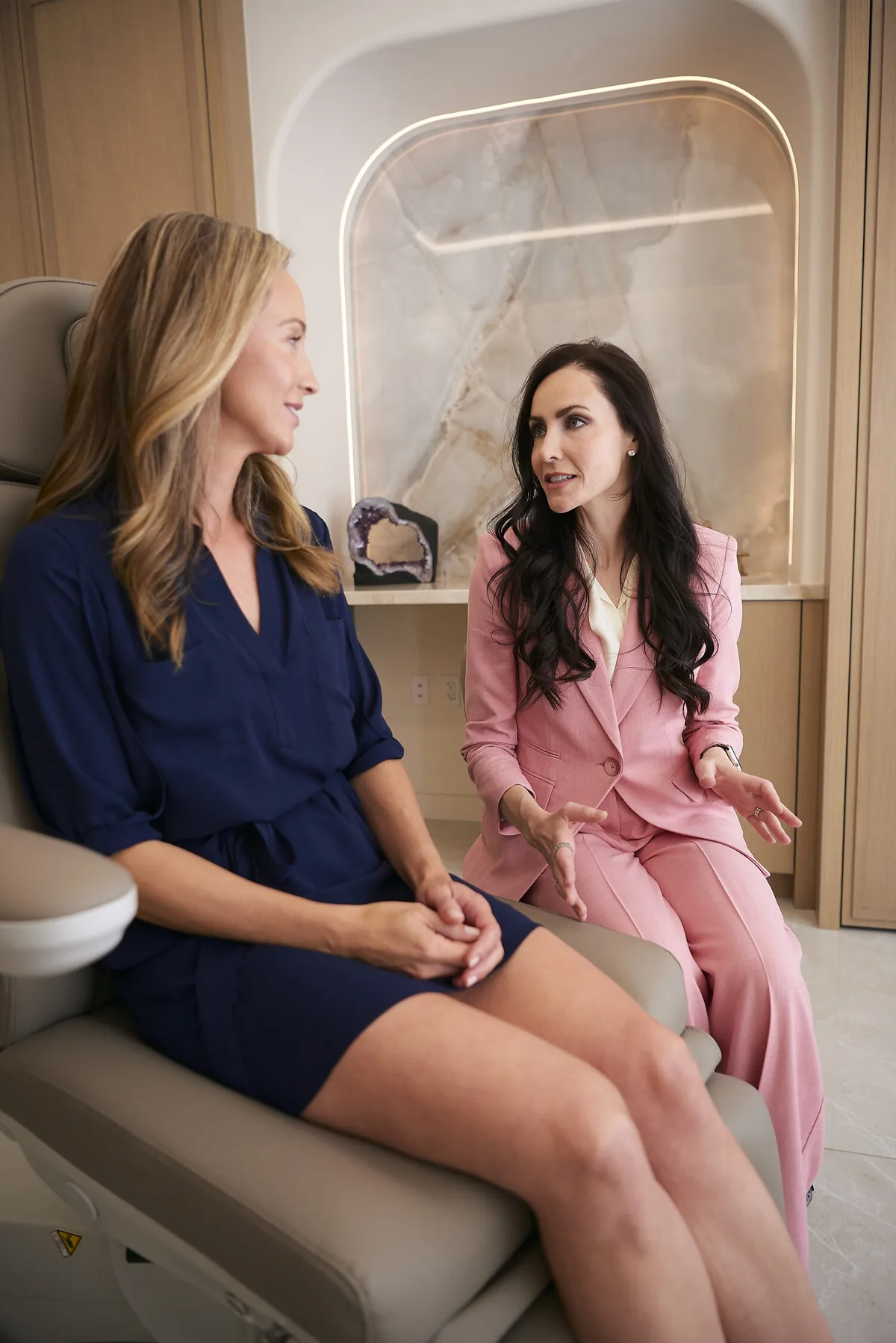
Questions about breast surgery can feel personal. When you contact us, you can tell us whether you prefer a call or text. Your consultation with Dr. Howarth is a thoughtful conversation about your anatomy, concerns, and goals.
DEVICE-LITERATE, NOT BRAND-LED
Choosing a Motiva Breast Implant Surgeon: Why Dr. Howarth
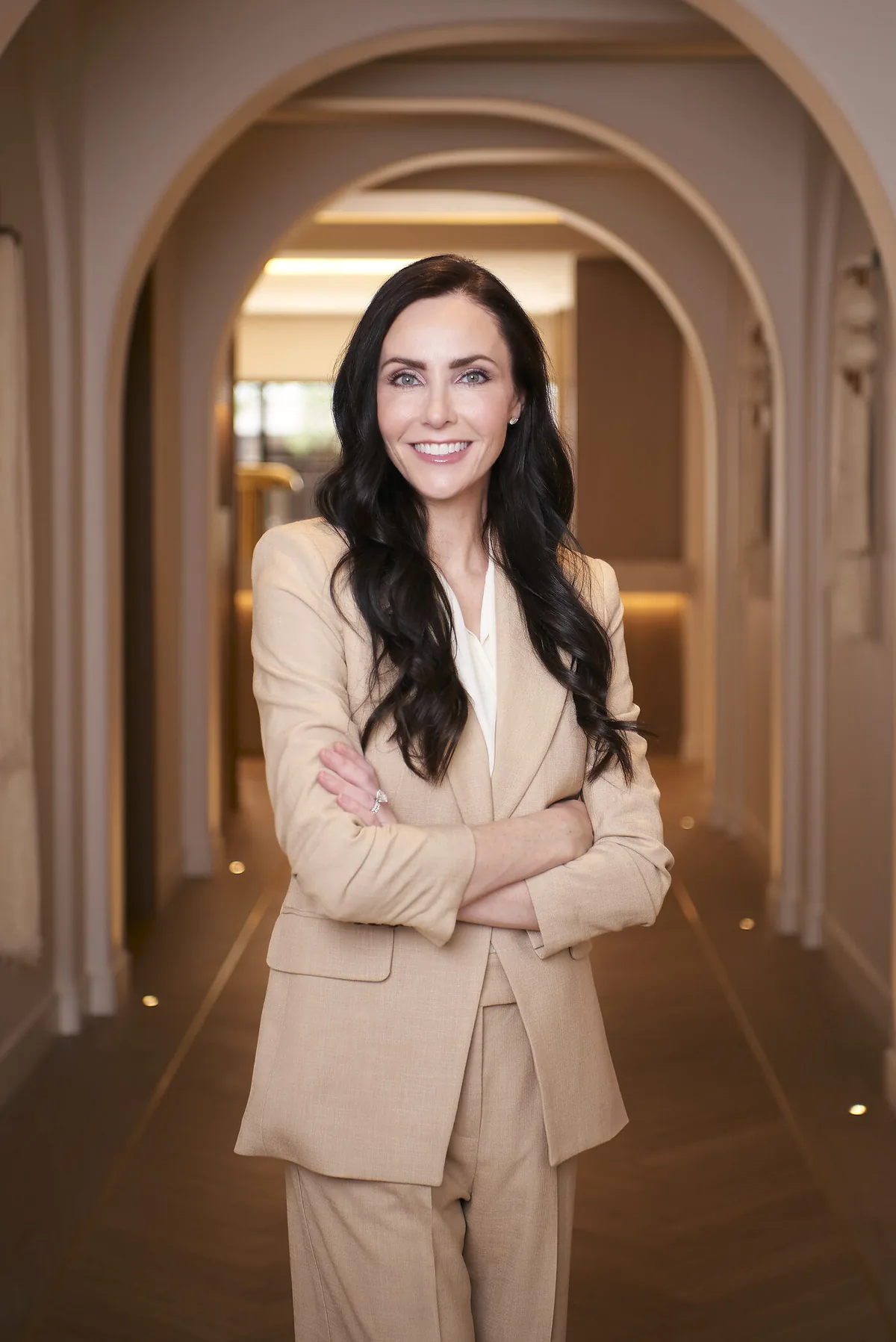
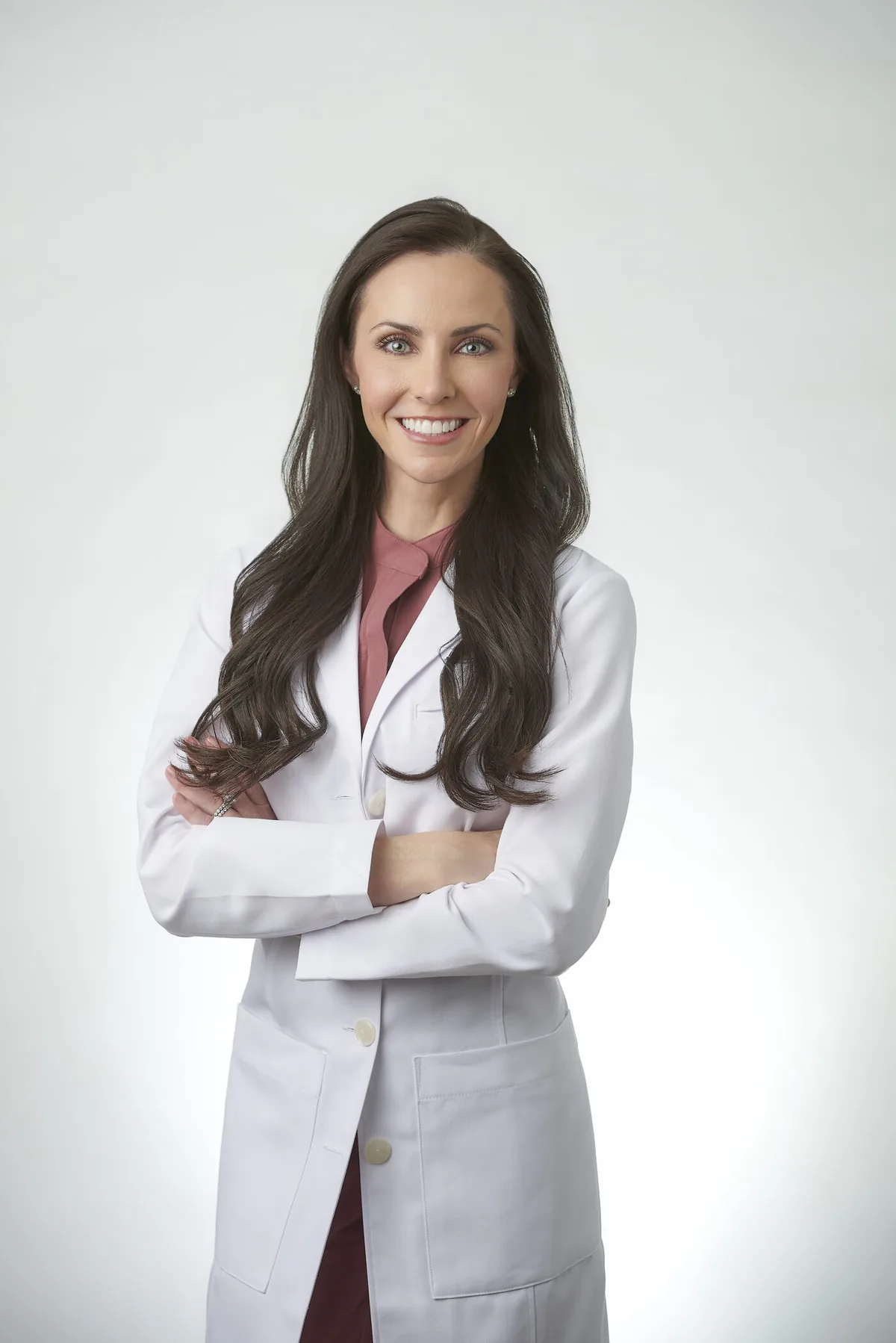
Ashley Howarth, MD, FACS, is a board-certified plastic surgeon in Scottsdale, an Instructor in Plastic Surgery at Mayo Clinic, and a Fellow of the American College of Surgeons. Her background includes nine years of formal surgical training in general, plastic, and reconstructive surgery.
A useful implant consultation connects the requested change with anatomy, tissue coverage, breast position, device dimensions, labeling, the operation, and long-term responsibilities. It also explains why another implant, another procedure, or no surgery may offer a more appropriate balance.
Dr. Howarth’s value is not simply access to Motiva. It is her current practice experience selecting among available Motiva options and determining when an implant or another procedure best fits the patient in front of her. Her practice preference does not make one device right for every patient or guarantee a particular appearance, feel, complication rate, or longevity.
PLASTIC SURGERY
OF SURGEONS
SCOTTSDALE · MODERN OFFICE SETTING
FROM CONSULTATION TO CONFIDENCE
Motiva Breast Implants Consultation and Patient Care Coordination
Your patient care coordinator helps with scheduling, estimates, financing, forms, travel, and follow-up logistics. Dr. Howarth and her clinical team answer medical questions and make all clinical recommendations.

A thoughtful beginning.
Your patient care coordinator can help arrange your consultation and explain what records, photographs, or other information the team would like you to have ready.
Clear information before you decide.
After Dr. Howarth recommends a plan, your coordinator can review the written estimate, financing information, scheduling requirements, forms, next steps, and practical questions with you.
Practical details, clearly organized.
Once required visits are known, your coordinator can help organize Scottsdale travel and follow-up timing. Dr. Howarth and her clinical team provide individualized medical guidance.
COMPARE ONLY THE LABELED DIFFERENCES
Motiva Implant Options and Tradeoffs
Smoothsilk Round
Uses the labeled ProgressiveGel Plus fill. The FDA matrix includes Mini, Demi, and Full profiles across specified volumes, widths, and projections.
Round Ergonomix
Uses ProgressiveGel Ultima, one fewer standard shell layer, and a gel the FDA record describes as slightly less firm than Round.
What Labels Do Not Decide
Gel firmness and surface labels do not promise softness, movement, cleavage, lower complication risk, superior safety, or a particular result.
Identification & Plan Fit
Some configurations may include optional RFID identification. The exact device, dimensions, imaging guidance, tissue coverage, incision, and pocket are reviewed together.
THE DEVICE FITS WITHIN THE COMPLETE PLAN
What Happens on the Day of Motiva Breast Augmentation?
Procedure day follows the augmentation or revision plan confirmed during consultation. The selected Motiva implant, incision, pocket, setting, anesthesia, and any lift or revision work are reviewed as part of the complete operation.
The plan is confirmed.
The team confirms implant identifiers, markings, preparation, transportation, support arrangements, and remaining questions.
The operation follows the plan.
Dr. Howarth performs the planned augmentation or revision and places the implant according to the individualized surgical plan.
Early support is organized.
Monitoring and discharge instructions address support, medications, activity, follow-up, and how to contact the practice.
FDA APPROVAL DOES NOT REMOVE IMPLANT RISK
Motiva Breast Implant Safety, Risks, and Limitations
FDA-required patient labeling states that breast implants are not lifetime devices. Complications become more likely with time, and some require more surgery. The current patient booklet, boxed warning, and Patient Decision Checklist should be reviewed for the exact device.
FDA labeling also addresses breast implant-associated anaplastic large cell lymphoma, reports of squamous cell carcinoma and other lymphomas in the capsule, and reported systemic symptoms sometimes called breast implant illness. SmoothSilk labeling does not erase these counseling responsibilities or establish that Motiva is safer than another implant.
Potential Risks Include
- Rupture, capsular contracture, or implant movement
- Visibility, palpability, wrinkling, or rippling
- Pain, infection, bleeding, or fluid collection
- Delayed healing, scarring, or sensation change
- Asymmetry or an unsatisfactory size or shape
- Implant removal, revision, or another operation
FDA Approval Cannot Guarantee
- A particular appearance, softness, movement, or cleavage
- Lower inflammation, contracture risk, or complications
- A permanent result or a specific device lifespan
- Freedom from future imaging, monitoring, or surgery
- That one implant family is best for every patient
RECOVERY FOLLOWS THE OPERATION
Recovery After Motiva Breast Implant Surgery
Recovery follows the augmentation or revision performed; the Motiva brand does not establish a separate recovery timeline. There is no universal routine replacement date, and monitoring or another operation may become appropriate over time.
Swelling, tightness, incision care, support, and comfort vary with the complete operation and individual healing.
Work, driving, caregiving, and travel resume according to medication use, mobility, daily demands, follow-up, and healing.
Lifting and exercise return gradually according to the pocket, any combined procedure, and individualized clinical guidance.
Keep implant records and follow screening and surveillance as breast position, softness, scars, and sensation change over time.
BEFORE & AFTER GALLERIES
Private Breast Augmentation with Motiva Implants Before & After Gallery
Breast Augmentation with Motiva Implants before-and-after photographs can feel deeply personal. As both a woman and a surgeon, Ashley Howarth, MD, FACS, understands the trust involved in sharing them. Howarth Plastic Surgery in Scottsdale makes galleries of real patient results available by request through private before-and-after reviews.
Keeping breast augmentation with Motiva implants before-and-after galleries off unrestricted public pages helps preserve patient dignity and clinical context while limiting casual viewing, unauthorized reposting, and collection by automated systems or AI agents.
During your private before-and-after review, you can see a range of breast augmentation with Motiva implants results and discuss how starting anatomy, surgical choices, healing, and time influenced each outcome. These photographs can support an informed consultation, but individual results vary, and no image can predict your outcome.
PATIENT CASE SUMMARIES
Selected Motiva Breast Implants Case Summaries
These deidentified case summaries illustrate how Ashley Howarth, MD, FACS, evaluates Motiva breast implants at Howarth Plastic Surgery in Scottsdale, Arizona. They show how dimensional fit, tissue coverage, implant characteristics, asymmetry, and revision findings matter more than choosing a device by brand alone. To protect patient privacy, some nonclinical identifying details have been generalized or modified. Individual anatomy, procedures, healing, and results vary.
Case 01
Dimensional fit
A Motiva implant was selected by breast width, projection, and tissue coverage
Patient presentation
The patient was interested in Motiva implants and wanted a proportionate increase that fit her chest and existing breast shape.
Clinical evaluation
Dr. Howarth measured the breast base, soft-tissue coverage, asymmetry, skin capacity, and the projection needed for the stated goal.
Procedure performed
Motiva breast augmentation was performed with an implant model and dimensions selected for the patient's anatomy and goals.
Clinical rationale
Brand preference begins the discussion, but dimensional fit and tissue behavior determine whether a specific implant is appropriate.
Follow-up
Incision healing, implant position, softness, symmetry, and the developing breast contour were reviewed after surgery.
Case 02
Device characteristics
Round and Ergonomix options were compared within one anatomy-based plan
Patient presentation
The patient wanted to understand how available Motiva implant characteristics might influence breast shape and movement.
Clinical evaluation
Dr. Howarth reviewed breast measurements, tissue thickness, desired upper-pole shape, implant dimensions, and the limits of device labels.
Procedure performed
The selected Motiva implant was placed after its characteristics were matched to the patient's anatomy and preference.
Clinical rationale
Implant names do not predict an identical result across patients because native tissue and surgical planning remain influential.
Follow-up
Follow-up assessed implant settling, softness, shape, movement, and whether the result remained consistent with the planned direction.
Case 03
Petite frame
A narrow breast base narrowed the Motiva profile and projection options
Patient presentation
The patient had a petite frame and wanted added volume without excessive implant width at the chest wall.
Clinical evaluation
Measurements documented base width, skin capacity, tissue coverage, fold position, and the projection-volume tradeoff among fitting options.
Procedure performed
A Motiva implant within the measured dimensional range was used for the augmentation.
Clinical rationale
An implant that exceeds the available breast base may create edge visibility, malposition, or a shape inconsistent with the patient's proportions.
Follow-up
Dr. Howarth monitored lateral and lower implant position, tissue coverage, incision healing, and proportional balance.
Case 04
Asymmetry
Pre-existing asymmetry required more than choosing identical Motiva implants
Patient presentation
The patient wanted Motiva implants but had differences in breast volume, fold position, and nipple level before surgery.
Clinical evaluation
Dr. Howarth measured each breast separately and discussed which differences could be improved by implant selection and which could persist.
Procedure performed
A side-specific augmentation was performed with implant and pocket adjustments tailored to each breast.
Clinical rationale
The same device on both sides does not automatically balance different starting anatomy.
Follow-up
Implant position, residual asymmetry, fold level, and healing were reviewed as swelling resolved.
Case 05
Implant exchange
A revision patient considered Motiva implants within a complete pocket and tissue assessment
Patient presentation
The patient requested exchange of existing implants and was interested in Motiva for a revised size or shape.
Clinical evaluation
Evaluation included current implant information, capsule, pocket position, tissue thickness, scars, and the dimensional limits of the revision.
Procedure performed
Implant exchange was performed with Motiva devices as one component of the confirmed revision plan.
Clinical rationale
In revision surgery, a new device cannot correct capsule, pocket, or tissue problems unless those structures are addressed directly.
Follow-up
Follow-up monitored implant position, capsule behavior, incision healing, breast softness, and the revised contour.
Case 06
Another implant
Motiva was not selected when another option better fit the surgical plan
Patient presentation
The patient arrived requesting Motiva implants based primarily on brand research rather than a measured dimensional goal.
Clinical evaluation
Dr. Howarth compared available devices with breast width, tissue coverage, desired projection, operative needs, and current regulatory indications.
Recommendation
A different implant, fat transfer, or no augmentation was recommended because the preferred Motiva option did not best fit the anatomy and goal.
Clinical rationale
Safe implant selection follows the patient and operation rather than a predetermined manufacturer.
Follow-up
No Motiva procedure was scheduled until the patient reviewed the anatomy-based alternatives and their limitations.
PLANNING WITH CLARITY
Motiva Breast Implant Surgery Cost, Financing, and Travel to Scottsdale
Motiva Breast Implant Surgery Cost
At Howarth Plastic Surgery in Scottsdale, primary breast augmentation plans using Motiva implants typically cost $14,000 to $19,500. More complex or combined surgical plans may cost more. Your final fee depends on implant selection, the operative plan, anesthesia, and surgical setting. After consultation with Dr. Howarth, you will receive a personalized written estimate for the plan she recommends.
Financing Options
Howarth Plastic Surgery is a cash-pay practice and does not accept or bill insurance. Your patient care coordinator can review financing through PatientFi and CareCredit, subject to third-party approval.
Planning Care in Scottsdale
If you are traveling from elsewhere in Arizona or out of state, out-of-town patient information can help you plan around consultation, surgery, and follow-up. Required appointment dates, how long to remain nearby, and when travel may resume are individualized. An initial consultation may take place virtually, but an in-person examination is required before the operative plan is finalized.
DIRECT ANSWERS FROM THE CURRENT FDA RECORD
Motiva Breast Implant Frequently Asked Questions
Current FDA records identify Motiva SmoothSilk Round and Motiva SmoothSilk Round Ergonomix silicone gel-filled breast implants under PMA P230005 for primary augmentation and revision-augmentation in women at least 22. Consultation confirms current practice availability.
Both are round silicone gel-filled implants with the labeled SmoothSilk controlled surface architecture. The FDA record identifies different gels and says Round Ergonomix contains one fewer standard shell layer and a slightly less firm gel. Those characteristics do not predict an individual result.
No. Anatomy, tissue coverage, implant dimensions, breast position, incision, pocket, any combined procedure, healing, and time affect appearance and feel. A brand name or gel description cannot guarantee a result.
Dr. Howarth connects health, measurements, tissue coverage, breast position, asymmetry, prior surgery, goals, device labeling, and the complete operation. Another device, another procedure, or no implant may fit better.
No. FDA-required labeling states that breast implants are not lifetime devices. Complications become more likely with time, and some patients need monitoring, revision, removal, or another operation. There is no automatic replacement date for everyone.
Current labeling recommends ultrasound or MRI five to six years after initial silicone implant surgery and every two to three years afterward for patients without symptoms. Symptoms or uncertain ultrasound results may prompt MRI. Routine breast screening continues separately.
Risks include rupture, capsular contracture, malposition, visibility, rippling, pain, infection, wound or tissue problems, scarring, sensation change, asymmetry, an unsatisfactory result, removal, and reoperation. FDA labeling also addresses implant-associated cancers and reported systemic symptoms.
FDA approval includes revision-augmentation, but the exact device still must fit the operation. A Breast Lift is a separate position-and-skin decision, and the brand does not decide the surgery.
At Howarth Plastic Surgery in Scottsdale, primary breast augmentation plans using Motiva implants typically cost $14,000 to $19,500. More complex or combined surgical plans may cost more. Your final fee depends on implant selection, the operative plan, anesthesia, and surgical setting. After consultation with Dr. Howarth, you will receive a personalized written estimate for the plan she recommends.
No. Current FDA approval under PMA P230005 covers primary breast augmentation and revision-augmentation in women at least 22. It does not include primary or revision breast reconstruction. Current labeling and availability are reviewed at consultation.
No. The controlled-surface label does not establish universal superiority or guarantee lower inflammation, capsular-contracture risk, or other complications. Dr. Howarth reviews the exact labeling, evidence, and tradeoffs in the context of your plan.
Some Motiva configurations may include an optional microtransponder for device identification. If one is considered, Dr. Howarth reviews the exact device, device card, and relevant imaging guidance with you.
Related Care
Related Breast Procedures
Continue with the page that best matches the question or surgical decision you are considering.
BEGIN HERE
Request a Consultation
Tell us what you are considering. A member of our patient care team will follow up with consultation availability and next steps.

Megan S.
Patient Coordinator
Prefer to talk or text?
Selected Medical References