
FACIAL AGING IS NOT ONE CHANGE
What Is a Facelift?
A facelift, also called rhytidectomy, repositions selected facial tissues to address changes such as cheek or lower-face descent, jowling, and reduced jawline definition. The areas treated, depth of dissection, support, incisions, and relationship to the neck depend on your anatomy and surgical plan.
A facelift does not stop aging or automatically treat every facial concern. Eyelid skin and bags, brow position, facial volume, skin texture, pigmentation, and a neck-first concern may call for different or coordinated decisions.

What the Mirror Cannot Diagnose
Why Do Patients Consider Facelift Surgery?
Patients consider facelift surgery when changes in tissue position begin to alter the way the cheeks, lower face, jawline, or face-and-neck relationship looks to them. Similar-looking concerns can come from different tissues, so Dr. Howarth evaluates the whole face rather than assigning an operation from one photograph or one feature.
- Cheek or lower-face descent that softens facial transitions
- Jowling along the jawline or reduced lower-face definition
- Connected changes across the lower face and neck
- A result that still feels like you rather than a predetermined look
A thoughtful consultation should clarify what surgery may change, which concerns require a different decision, and whether the tradeoffs fit your priorities.


The Examination Comes First
Facelift Candidacy, Alternatives, and Consultation
You do not need to arrive knowing which technique or combination you need. Consultation begins with what you notice, what you hope to change, and which outcomes would or would not feel like you.
Dr. Howarth evaluates facial structure, tissue position, skin quality, volume, asymmetry, movement, hairline and ear anatomy, the neck, prior procedures, and relevant health history. She also considers whether the primary concern is tissue descent, volume, skin quality, eyelid or brow anatomy, neck contour, or a combination.
Good candidates are generally healthy adults with a defined concern, realistic expectations, and the ability to follow preparation and recovery guidance. Nicotine exposure, medications or supplements, medical conditions, healing history, prior facial treatment, and the scope of surgery may change candidacy and risk.
Consultation may lead to a facelift plan, a neck-focused operation, facial fat grafting, eyelid or brow surgery, a nonsurgical option or observation. The recommendation follows the anatomy rather than a procedure label chosen in advance.
When Surgery May Not Be the Right Choice
The purpose of consultation is to identify the most appropriate next step—not to presume that an operation is needed. Dr. Howarth may recommend waiting, further evaluation, a different setting or approach, nonsurgical care, or no surgery when that is the more appropriate recommendation.

PERSONAL DECISIONS. THOUGHTFUL CARE.
Privacy During Facial Surgery Consultation and Care
Questions about facial surgery can feel personal. When you contact us, you can indicate whether you prefer a call or text. Your consultation with Dr. Howarth is a thoughtful conversation about your anatomy, concerns, and goals.
JUDGMENT ACROSS THE WHOLE FACE
Choosing a Facelift Surgeon: Why Dr. Howarth
Choosing a facelift surgeon involves more than comparing a named technique or before-and-after photographs. Look for appropriate board certification, experience evaluating the face and neck together, balanced counseling about incisions and alternatives, and a clear plan for follow-up and complications.
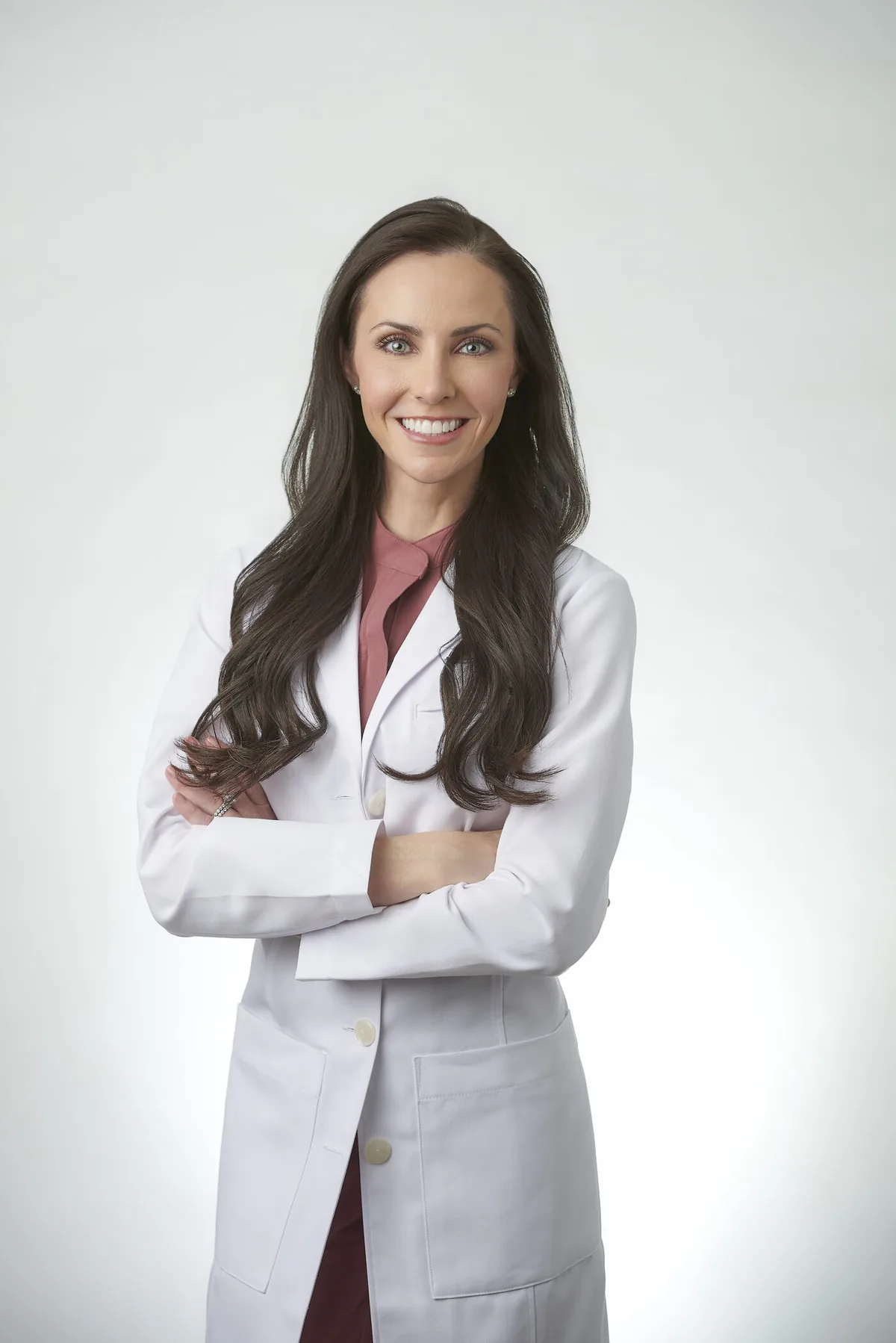
Ashley Howarth, MD, FACS, is a board-certified plastic surgeon in Scottsdale, an Instructor in Plastic Surgery at Mayo Clinic, and a Fellow of the American College of Surgeons. Her background includes nine years of formal surgical training.
She evaluates tissue position, facial proportions, skin, volume, movement, and the face-neck relationship before determining whether a facelift—and which surgical plan—fits the concern. The most discussed technique is not automatically the right operation for every face.
Your consultation should leave you understanding the intended areas of change, the tissues involved, the limits of surgery, incision tradeoffs, and whether another procedure would add meaningful value or unnecessary complexity.
PLASTIC SURGERY
OF SURGEONS
SCOTTSDALE · MODERN OFFICE SETTING
FROM QUESTIONS TO A CLEAR PLAN
Facelift Consultation and Patient Care Coordination
From your first inquiry, your patient care coordinator helps organize the practical next steps. Your coordinator can assist with scheduling, estimates, financing, forms, travel, and follow-up logistics. Dr. Howarth and her clinical team answer medical questions and make all clinical recommendations.

A thoughtful beginning.
Your patient care coordinator can help arrange your consultation and explain what photographs, records, or other information the clinical team would like you to have ready when relevant.
Clear information before you decide.
After Dr. Howarth recommends a plan, your coordinator can review the written estimate, financing information, scheduling requirements, forms, next steps, and practical questions with you.
Practical details, clearly organized.
Once required visits are known, your coordinator can help organize Scottsdale travel and follow-up timing. Dr. Howarth and her clinical team provide individualized medical and recovery guidance.
Technique Serves the Plan
How Is a Facelift Technique Selected?
Area and Extent
The cheeks, lower face, jowls, jawline, and neck relationship determine whether the operation is limited or more comprehensive.
Tissue Plane and Support
The level and direction of tissue work depend on anatomy, prior surgery, movement, goals, and Dr. Howarth’s recommended plan.
Skin Redraping and Incisions
Skin is redraped after deeper planning. Incision placement follows the hairline, ear anatomy, treatment area, and individual scar tradeoffs.
Coordinated Procedures
Neck lift, fat grafting, eyelid surgery, or brow lift may be discussed for distinct concerns—not as routine or automatic additions.
A PLAN CONFIRMED BEFORE SURGERY
What Happens on the Day of Facelift Surgery?
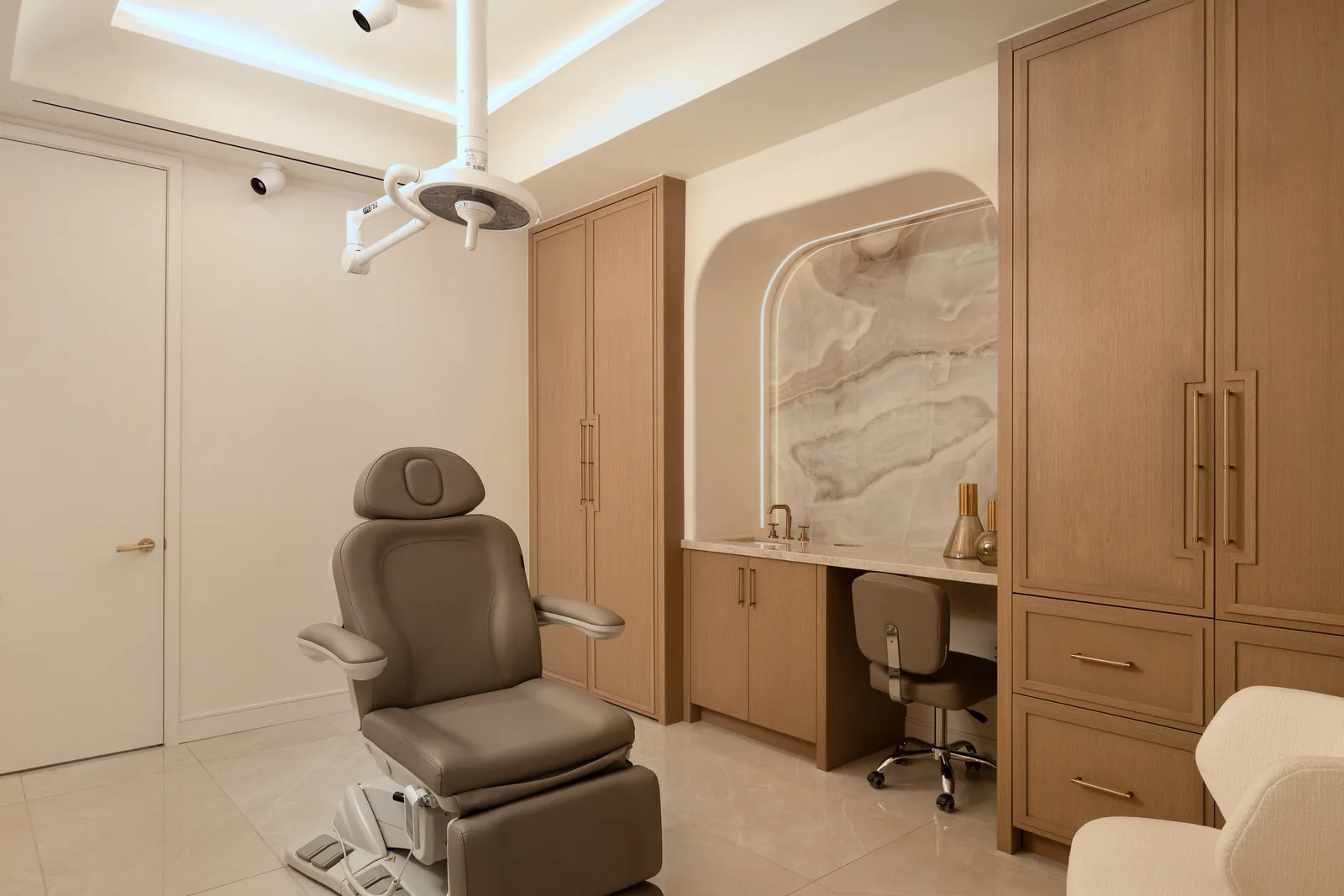
The operative plan, setting, anesthesia approach, transportation, and anticipated recovery support are reviewed before surgery. Exact details depend on the extent of the facelift and any coordinated procedure.
Your plan, confirmed with you.
The team reviews preparation, medications, markings, transportation, and remaining questions. Dr. Howarth confirms the plan with you.
Care matched to your anatomy.
Dr. Howarth addresses the selected facial tissues, support, skin, and any coordinated area according to the individualized plan.
Clear instructions and a direct next step.
You receive written instructions for dressings, medications, activity, follow-up, support, and contacting the practice with questions.
CLEAR INFORMATION. INFORMED CHOICES.
Facelift Safety, Risks, and Limitations
Facelift surgery has general surgical risks and procedure-specific considerations. Careful patient selection, individualized planning, and appropriate follow-up help frame those risks, but cannot eliminate them.
Possible Complications Include
- Bleeding or hematoma, infection, fluid collection, and anesthesia complications
- Delayed healing, skin injury or loss, and visible or unfavorable scarring
- Hair loss near an incision or changes involving the hairline
- Pain, firmness, prolonged swelling, sensation change, asymmetry, or contour irregularity
- Temporary or persistent weakness involving a facial-nerve branch
- An unsatisfactory result or need for additional treatment or revision
What Surgery Cannot Guarantee
- Stop aging or promise how long a result will last
- Create exact symmetry or a predetermined face shape
- Automatically correct volume, skin quality, eyelids, brows, or a neck-first concern
- Remove every scar, asymmetry, or sign of prior treatment
- Guarantee a specific result shown in another patient’s photographs
HEALING HAPPENS IN STAGES
Facelift Recovery
Recovery varies with operative extent, coordinated procedures, work and caregiving demands, travel, and individual healing. Dr. Howarth’s instructions for your plan take priority over general expectations.
A deliberately quiet start
Swelling, bruising, tightness, fatigue, and temporary sensation changes are common early while activity remains deliberately limited.
Everyday activities, gradually
Light routines often resume before visible healing is complete. Driving, work, makeup, and social timing remain plan-dependent.
Resume in stages
Lifting, exercise, travel, and more strenuous activity return in stages according to the operation, healing, and follow-up guidance.
Healing continues
Residual swelling, firmness, scars, and facial movement continue to change after the earliest recovery, while normal aging continues.
RESULTS WITH CONTEXT
Reviewing Facelift Results Thoughtfully
Useful before-and-after photographs identify the operation performed, the areas treated, any coordinated procedures, and the point in healing when the photographs were taken. They can help explain possibilities and tradeoffs, but cannot predict your result.
BEFORE & AFTER GALLERIES
Private Facelift Before & After Gallery
Facelift before-and-after photographs can feel deeply personal. As both a woman and a surgeon, Ashley Howarth, MD, FACS, understands the trust involved in sharing them. Howarth Plastic Surgery in Scottsdale makes galleries of real patient results available by request through private before-and-after reviews.
Keeping facelift before-and-after galleries off unrestricted public pages helps preserve patient dignity and clinical context while limiting casual viewing, unauthorized reposting, and collection by automated systems or AI agents.
During your private before-and-after review, you can see a range of facelift results and discuss how starting anatomy, surgical choices, healing, and time influenced each outcome. These photographs can support an informed consultation, but individual results vary, and no image can predict your outcome.
PATIENT CASE SUMMARIES
Selected Facelift Case Summaries
These deidentified facelift case summaries show how Ashley Howarth, MD, FACS, evaluates lower-face aging at Howarth Plastic Surgery in Scottsdale, Arizona. Each case distinguishes tissue descent, jowls, skin, facial volume, neck anatomy, prior treatment, and patient goals before describing the procedure performed or recommendation made. To protect patient privacy, some nonclinical identifying details have been generalized or modified. Anatomy, procedures, healing, and results vary.
Case 01
JOWLS AND LOWER-FACE DESCENT
Jowls and lower-face descent were treated with a focused facelift plan
Patient presentation
The patient described loss of jawline definition and early jowls that remained visible at rest. Her neck concern was limited, and she wanted the lower face to be the focus of treatment.
Clinical evaluation
Dr. Howarth evaluated cheek and lower-face tissue position, jowls, skin quality, facial volume, jaw and chin structure, neck anatomy, scars, health history, prior nonsurgical treatment, and the degree of change the patient wanted.
Procedure performed
Dr. Howarth performed a facelift tailored to the lower-face tissue descent and skin findings, without adding a separate extensive neck procedure.
Clinical rationale
The principal concern involved lower-face position rather than isolated volume loss or a dominant neck problem. A focused surgical plan addressed the anatomy without broadening the operation unnecessarily.
Follow-up
Follow-up addressed incision healing, swelling, temporary tightness or sensory change, facial movement, activity restrictions, and the gradual settling of the lower-face contour.
Case 02
LOWER FACE AND NECK
Lower-face descent and neck laxity were treated as connected anatomic concerns
Patient presentation
The patient reported jowls, reduced jawline definition, and loose neck skin. She wanted the face and neck to look balanced rather than treating one area in isolation.
Clinical evaluation
Dr. Howarth assessed lower-face and cheek position, jawline, submental fat, platysma, neck skin, chin support, facial volume, prior procedures, and the relationship between the lower face and neck.
Procedure performed
Dr. Howarth performed a facelift with coordinated neck treatment based on the tissue, muscle, fat, and skin findings in both regions.
Clinical rationale
Treating the neck alone would not address the jowls and lower-face descent, while treating only the face could leave a visible mismatch at the jawline. The combined plan followed the connected anatomy.
Follow-up
The patient was followed for facial and neck swelling, incision healing, contour settling, sensation, movement, activity, and the different recovery patterns across both regions.
Case 03
SECONDARY FACELIFT
Recurrent lower-face laxity after prior surgery required a revision-focused evaluation
Patient presentation
The patient had undergone a prior facelift and later noticed renewed jowling and uneven lower-face contour. She wanted improvement without assuming the original operation could simply be repeated.
Clinical evaluation
Dr. Howarth reviewed prior operative information when available, scar location, tissue mobility, skin quality, facial nerve function, volume, asymmetry, neck anatomy, health history, and the limits created by previous surgery.
Procedure performed
Dr. Howarth performed a secondary facelift using a plan modified for the existing scars, altered tissue planes, and current pattern of descent.
Clinical rationale
Revision facial surgery requires attention to prior dissection and blood supply. The operation was designed around the patient's current anatomy rather than treating the case as a first-time facelift.
Follow-up
Follow-up emphasized incision healing, facial movement, sensation, swelling, asymmetry, and careful progression of activity after revision surgery.
Case 04
TISSUE POSITION AND VOLUME
Lower-face descent required facelift support, with selective fat grafting added for separate volume loss
Patient presentation
The patient described jowls together with hollowing at selected facial areas. She wanted to understand why lifting and adding volume might both be discussed.
Clinical evaluation
Dr. Howarth mapped lower-face tissue position, regional volume loss, skin quality, movement, donor fat availability, prior filler, jawline and neck anatomy, and which contours would or would not improve through lifting alone.
Procedure performed
Dr. Howarth performed a facelift with conservative facial fat grafting to selected regions identified in the operative plan.
Clinical rationale
The facelift repositioned descended tissue, while fat grafting addressed selected volume deficits. Neither component was presented as a universal substitute for the other.
Follow-up
The patient was followed for incision healing, facial swelling, movement, donor-site recovery, early volume change, and the variable settling associated with transferred fat.
Case 05
SURGICAL OR NONSURGICAL CHANGE
Lower-face tissue descent required facelift surgery rather than additional filler or skin tightening
Patient presentation
The patient had tried nonsurgical treatments but remained concerned about jowls and lower-face tissue position. She wanted to know whether another device or injectable could create a facelift-level change.
Clinical evaluation
Dr. Howarth evaluated tissue descent, skin quality, facial volume, prior filler and energy-based treatment, jaw and chin support, neck anatomy, expectations, and tolerance for surgical recovery.
Recommendation
Dr. Howarth recommended facelift surgery as the option most directly aligned with the structural concern and explained the more limited role of nonsurgical treatment.
Clinical rationale
Nonsurgical care can address selected skin or volume concerns but does not reliably reposition descended lower-face tissue. The recommendation matched the mechanism of the patient's concern.
Follow-up
The patient received a comparison of surgical recovery, scars, risks, and expected areas of change before deciding whether to proceed.
Case 06
NO SURGICAL NEED
Facelift was not recommended when the examination did not support the requested operation
Patient presentation
The patient requested a facelift for early lower-face changes but hoped for a degree of correction that the examination did not support.
Clinical evaluation
Dr. Howarth evaluated the lower face, jawline, neck, skin, facial movement, volume, asymmetry, prior treatment, health factors, and whether a meaningful surgical target was present.
Recommendation
Dr. Howarth did not recommend facelift surgery and explained that the expected benefit did not justify the scars, recovery, and operative risk.
Clinical rationale
A consultation can appropriately end with no surgery. Proceeding without a clear anatomic indication would not serve the patient's goals or safety.
Follow-up
No operation was scheduled. Observation and return for reassessment only if the concern changed were discussed.
PLANNING WITH CLARITY
Facelift Cost, Financing, and Travel to Scottsdale
Facelift Cost
At Howarth Plastic Surgery in Scottsdale, facelift surgery typically costs $37,000 to $45,000. The range reflects differences in anatomy and operative scope. Your final fee depends on the facial areas and tissues addressed, complexity from prior treatment, anesthesia, surgical setting, and whether another procedure is included. After consultation with Dr. Howarth, you will receive a personalized written estimate for the plan she recommends.
Financing Options
Howarth Plastic Surgery is a cash-pay practice and does not accept or bill insurance. Your patient care coordinator can review financing through PatientFi and CareCredit, subject to third-party approval.
Planning Care in Scottsdale
If you are traveling from elsewhere in Arizona or out of state, out-of-town patient information can help you plan around consultation, surgery, and follow-up. Required appointment dates, how long to remain nearby, and when travel may resume are individualized. An initial consultation may take place virtually, but an in-person examination is required before the operative plan is finalized.
Direct Answers
Facelift Frequently Asked Questions
A facelift repositions selected facial tissues to address changes such as cheek or lower-face descent, jowling, and reduced jawline definition. The exact areas and extent depend on anatomy and the surgical plan.
No. A facelift focuses on selected facial tissues and may include planning across the jawline and neck; a neck lift is centered on neck anatomy. Dr. Howarth examines both regions before recommending one operation or a coordinated plan.
“Deep plane” describes work within a deeper facial tissue plane. It is one part of technique selection, not a universal marker of superiority. Its relevance depends on anatomy, the intended areas of change, prior surgery, and the complete plan.
No technique is universally best. SMAS and deeper-plane terminology describe different surgical approaches or components. The appropriate level, direction, and extent of tissue work should follow anatomy, goals, risks, and surgeon judgment.
Incision placement varies with the treatment area, hairline, ear anatomy, skin, and selected approach. Dr. Howarth explains the proposed pattern and scar tradeoffs after determining the plan.
Not automatically. Eyelid Surgery addresses eyelid anatomy, Brow Lift addresses brow and forehead position, and skin-focused treatments address different concerns. Consultation separates these decisions before procedures are combined.
Expect an early phase of swelling, bruising, tightness, fatigue, and activity limits followed by a gradual return to routines. Timing varies with surgical extent, coordinated procedures, daily demands, travel, and healing.
No exact number of years applies to every patient. Surgery can create a durable change, but it does not stop aging. Tissue quality, technique, health, weight change, sun exposure, and time influence how the face continues to change.
Sometimes. A facelift addresses tissue position, while fat grafting adds selected volume. They may be coordinated when both concerns are present, but volume should not be added automatically or used as a substitute for lifting.
At Howarth Plastic Surgery in Scottsdale, facelift surgery typically costs $37,000 to $45,000. The range reflects differences in anatomy and operative scope. Your final fee depends on the facial areas and tissues addressed, complexity from prior treatment, anesthesia, surgical setting, and whether another procedure is included. After consultation with Dr. Howarth, you will receive a personalized written estimate for the plan she recommends.
Related Care
Related Facial Procedures
These pages explain options that may be considered separately depending on your anatomy, goals, and Dr. Howarth’s recommendation after examination.
- Eyelid Surgery For upper- or lower-eyelid skin, fat, contour, and support concerns.
- Brow Lift For brow and forehead position when the concern sits above the eyelids.
- Neck Lift For a neck-first concern involving skin, muscle, fullness, or jaw-neck definition.
- Facial Fat Grafting For selected facial-volume concerns rather than tissue descent.
- Laser Skin Resurfacing For etched lines, sun damage, texture, and other skin-surface concerns that lifting alone does not treat.
- Face Procedures Compare the complete facial-surgery family when you are unsure where to begin.
BEGIN HERE
Request a Consultation
Tell us what you are considering. A member of our patient care team will follow up with consultation availability and next steps.

Megan S.
Patient Coordinator
Prefer to talk or text?