
UNDERSTANDING THE ABDOMINAL WALL
What Is Diastasis Recti?
Diastasis recti is widening and thinning of the linea alba, the connective tissue between the right and left rectus abdominis muscles. The change may create a midline bulge or a sense that the abdominal wall no longer feels the same after pregnancy or weight change.
Diastasis is not the same as a hernia. A hernia includes a true fascial defect and carries different considerations, although both can be present. The visible contour may also involve loose skin, subcutaneous fat, scars, the navel, posture, or deeper abdominal fullness. Examination separates those layers before treatment is discussed.

THE CONCERN IS MORE THAN A MEASUREMENT
Why Patients Seek a Diastasis Recti Evaluation
Some patients notice a midline ridge or persistent central fullness when they sit up, lift, exercise, or move through daily life. Others are less concerned with appearance than with control, support, or uncertainty about whether the finding is diastasis, a hernia, loose skin, fat, or a combination.
- A midline bulge or ridge that changes with abdominal effort
- A persistent contour change after pregnancy or weight change
- Questions about core control, support, or exercise progression
- Concern about a possible umbilical or ventral hernia
- A need to separate fascia, skin, fat, scars, and navel anatomy
The width of the gap is one finding. Symptoms, tissue quality, goals, health, and the rest of the abdominal wall determine whether treatment is useful.


START WITH THE RIGHT DIAGNOSIS
Candidacy, Alternatives, and Consultation
Consultation begins with what you notice and what you hope will change. Dr. Howarth reviews pregnancy history, weight stability, prior abdominal surgery, scars, pain or bulging, possible hernia symptoms, nicotine exposure, medical conditions, medications, future pregnancy plans, daily responsibilities, and recovery support.
Physical therapy or a structured exercise program may be a reasonable first step for strength, control, or symptoms. Observation, more postpartum recovery time, weight stabilization, a tummy tuck, coordination for a suspected hernia, or no surgery may fit better than an isolated repair. An in-person examination is required before an operative plan is finalized.
When Surgery May Not Be the Right Choice
The purpose of consultation is to identify the most appropriate next step—not to presume that an operation is needed. Dr. Howarth may recommend waiting, further evaluation, a different setting or approach, nonsurgical care, or no surgery when that is the more appropriate recommendation.

PERSONAL DECISIONS. THOUGHTFUL CARE.
Privacy During Body Surgery Consultation and Care
Questions about body surgery can feel personal. When you contact us, you can indicate whether you prefer a call or text. Your consultation with Dr. Howarth is a thoughtful conversation about your anatomy, concerns, and goals.
JUDGMENT MATTERS
Choosing a Diastasis Recti Surgeon: Why Dr. Howarth
Choosing a surgeon for diastasis recti involves more than asking whether a gap can be closed. Look for appropriate board certification, careful distinction between diastasis and hernia, evaluation of skin and fat alongside the fascia, balanced nonsurgical options, and a clear explanation of scars, recovery, limitations, and coordination when another specialist is needed.
Ashley Howarth, MD, FACS, is a board-certified plastic surgeon in Scottsdale, an Instructor in Plastic Surgery at Mayo Clinic, and a Fellow of the American College of Surgeons. Her background includes nine years of formal surgical training.
Dr. Howarth evaluates the complete abdominal contour rather than treating a self-measured gap as the entire diagnosis. Her recommendation connects fascia, skin, fat, the navel, scars, possible hernia, health, and recovery demands.
PLASTIC SURGERY
OF SURGEONS

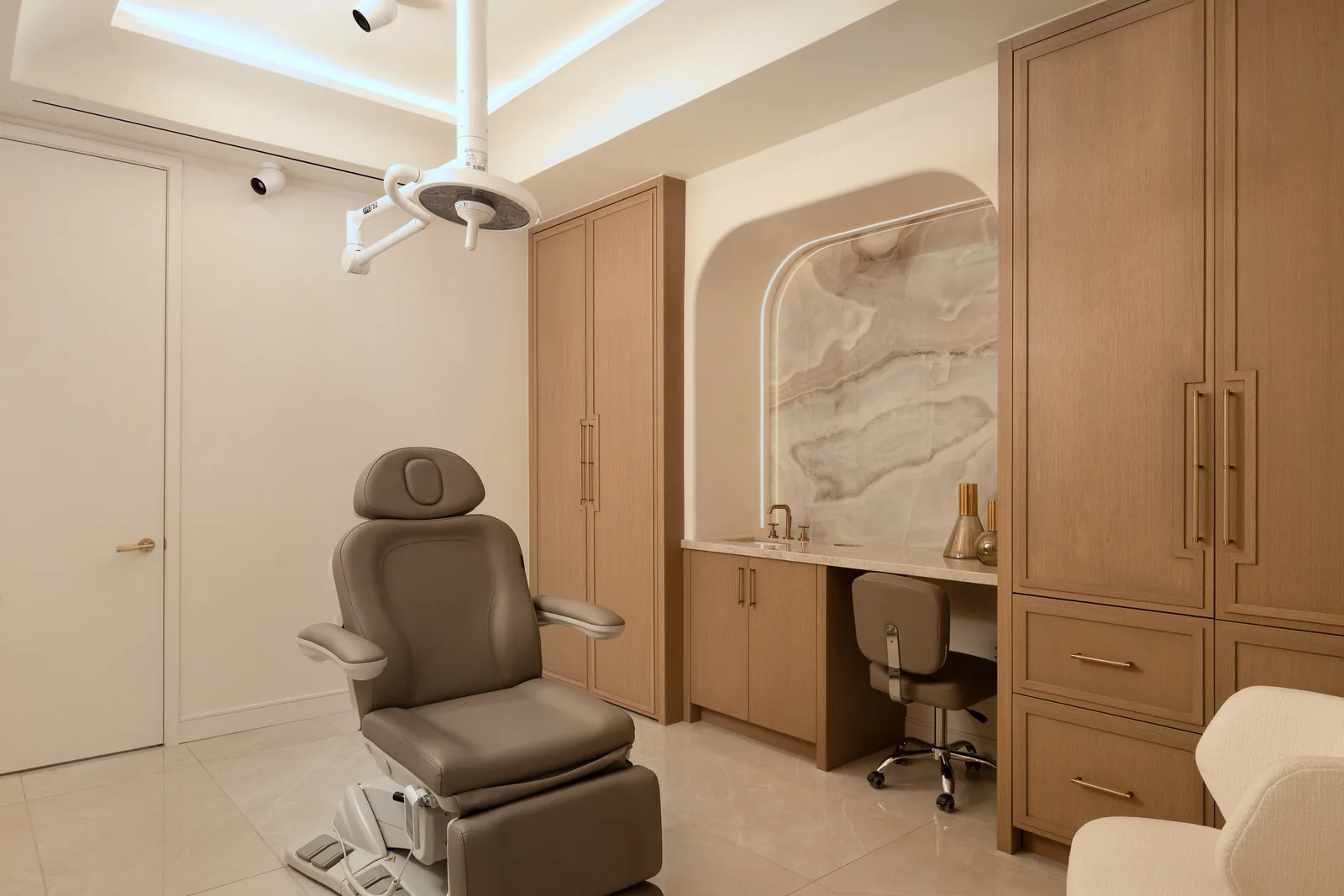
SCOTTSDALE · MODERN OFFICE SETTING
FROM EVALUATION TO A CLEAR PLAN
Diastasis Recti Consultation and Patient Care Coordination
Your patient care coordinator can help organize consultation, records, estimates, financing, forms, travel, and follow-up logistics. Dr. Howarth and her clinical team answer medical questions, determine whether additional evaluation is appropriate, and make all clinical recommendations.

A thoughtful beginning.
Your patient care coordinator can arrange an in-person or virtual consultation with Dr. Howarth and explain what photographs, records, or other information to have ready. The consultation focuses on your concerns, health history, anatomy, and goals. An in-person physical examination is completed before the operative plan is finalized.
Clear information before you decide.
After Dr. Howarth recommends a plan, your patient care coordinator can review the written cost estimate, available financing options, scheduling requirements, forms, and next steps. Your coordinator can explain the practice process and help you understand what is needed before you decide whether to schedule.
Practical details, clearly organized.
If you are traveling to Scottsdale from elsewhere in Arizona or out of state, your patient care coordinator can help align required appointment dates and practical planning for consultation, surgery, and follow-up. Dr. Howarth and her clinical team provide individualized medical and recovery guidance.
PLANNED FOR YOUR ANATOMY
Diastasis Recti Treatment Options and Tradeoffs
Physical Therapy or Exercise
A structured program may improve strength, control, symptoms, or measured separation for some patients. It does not guarantee complete anatomic closure.
Fascial Plication
When examination supports repair, sutures may tighten the abdominal fascia. The exact method and extent follow the anatomy and complete operation.
Abdominoplasty
When loose skin and abdominal-wall laxity occur together, repair may be planned within a tummy tuck rather than treated as an isolated decision.
Hernia or Another Diagnosis
A true hernia, pain pattern, or concern outside cosmetic abdominal-wall care may require imaging, another specialist, or a coordinated plan.
A CLEAR, INDIVIDUALIZED PLAN
How Diastasis Recti Care Moves Forward
The next step may be observation, physical therapy, more recovery time, surgical planning, or another medical evaluation. Operative details are discussed only after the diagnosis, goals, and complete abdominal plan are clear.
The concern is defined.
Dr. Howarth examines the linea alba, abdominal contour, skin, fat, scars, navel, and signs that may suggest a hernia or another issue.
The options and limits are explained.
She discusses conservative care, possible surgery, timing, scars, tradeoffs, and whether another specialist should be involved.
The complete operation guides preparation.
The team confirms the operation, setting, anesthesia, transportation, support, mobility, lifting restrictions, and follow-up plan.
CLEAR INFORMATION. INFORMED CHOICES.
Diastasis Recti Repair Safety, Risks, and Limitations
Surgical repair has general operative risks and risks related to the complete abdominal plan. Risk varies with health, nicotine exposure, prior scars, a possible hernia, operative extent, combined procedures, mobility, and healing. Dr. Howarth reviews how these factors apply to the proposed plan.
Possible Complications Include
- Bleeding, infection, or fluid collection
- Delayed healing, wound separation, or tissue loss
- Scar, contour, symmetry, or sensation changes
- Persistent tightness, discomfort, swelling, or numbness
- Recurrence or residual abdominal-wall laxity
- Anesthesia, blood-clot, or procedure-specific complications
What Surgery Cannot Guarantee
- A perfectly flat abdomen
- Complete relief of back pain, weakness, or every functional symptom
- An invisible scar or exact symmetry
- That a true hernia can be treated by cosmetic plication alone
- A result unchanged by pregnancy, weight change, aging, or healing
HEALING HAPPENS IN STAGES
Recovery After Diastasis Recti Repair
Recovery follows the complete operation—not the diagnosis alone. Incision length, fascial work, skin removal, liposuction, hernia coordination, daily demands, and individual healing all change the plan. Dr. Howarth’s instructions guide each return to activity.
Mobility and support first
Early care focuses on comfortable movement, incision support, garments or drains when applicable, medication, and the written plan.
Everyday activities, gradually
Work, driving, travel, sleep position, childcare, and household responsibilities return according to mobility, medication, and healing.
Protect deeper healing
Lifting and abdominal exercise resume gradually after clearance because fascia and skin heal on different timelines.
Contour and comfort evolve
Swelling, tightness, scars, control, and contour change over time. Improvement in a particular symptom cannot be promised.
RESULTS WITH CONTEXT
Reviewing Diastasis Recti Repair Results Thoughtfully
Useful examples identify the starting abdominal-wall finding, skin and fat distribution, scars, possible hernia, the exact operation, and the healing stage. A narrower waist or flatter abdomen does not prove functional improvement, and a photograph cannot show strength, comfort, or long-term recurrence. Authorized cases may be reviewed privately with that context.
BEFORE & AFTER GALLERIES
Private Diastasis Recti and Abdominal-Wall Review
Diastasis recti repair is often one part of a broader abdominal operation, so photographs are most useful when the exact tummy tuck, fascial repair, scar plan, and healing stage are known. The practice keeps surgical galleries private to protect patient dignity and preserve clinical context.
Ask the team whether authorized abdominal cases relevant to your anatomy and proposed plan are available for private review. Individual results vary, and no photograph can predict your contour, scar, symptoms, or recovery.
PATIENT CASE SUMMARIES
How Different Diastasis Recti Findings Change the Plan
These educational scenarios show how Ashley Howarth, MD, FACS, distinguishes diastasis recti from loose skin, fat, a true hernia, future-pregnancy timing, and prior scars. They are not actual patient histories or surgical results, and they do not predict an individual recommendation.
Scenario 01
POSTPARTUM DIASTASIS AND LOOSE SKIN
When Diastasis Recti and Loose Skin Need One Abdominal Plan
Starting concern
After pregnancy, a patient may notice a midline ridge, reduced abdominal-wall support, loose skin, and a lower-abdominal fold despite stable weight and consistent exercise.
What examination separates
Dr. Howarth evaluates the linea alba, rectus separation, skin above and below the navel, fat distribution, scars, the umbilicus, posture, symptoms, and signs of a true hernia.
Possible pathway
If both fascial laxity and meaningful skin excess lead the concern, repair may be planned within a full abdominoplasty rather than treated as an isolated muscle decision.
Why alternatives differ
Physical therapy may improve strength and control but cannot remove loose skin. Liposuction can reduce selected subcutaneous fat but does not tighten the linea alba or remove a skin fold.
Planning questions
Future pregnancy, nicotine exposure, weight stability, scar placement, recovery support, lifting restrictions, and whether another surgeon is needed for a hernia all affect timing and scope.
Scenario 02
DIASTASIS WITH MINIMAL SKIN LAXITY
When the Main Question Is Fascia Rather Than Loose Skin
Starting concern
A patient may see a central bulge with abdominal effort but have limited loose skin and no desire for broad skin removal.
What examination separates
The evaluation distinguishes rectus diastasis from a hernia, subcutaneous fat, visceral fullness, posture, scar tethering, and abdominal-wall function.
Possible pathway
Observation or a structured physical-therapy program may be the first step. Selected patients may discuss fascial plication only after the diagnosis, symptoms, goals, and complete abdominal anatomy are clear.
Why alternatives differ
A tummy tuck is not automatically required for every measured gap, while an isolated repair is not automatically smaller or more appropriate when skin, scars, or the navel also need treatment.
Planning questions
The discussion includes symptom goals, pregnancy plans, incision tradeoffs, anesthesia, recovery, recurrence risk, and the limits of surgery for back pain, strength, or a perfectly flat abdomen.
Scenario 03
POSSIBLE UMBILICAL OR VENTRAL HERNIA
When a Bulge May Be More Than Diastasis Recti
Starting concern
A patient may report a focal bulge near the navel, discomfort, or a change that feels different from a broad midline ridge.
What examination separates
Dr. Howarth looks for the difference between thinning and widening of the linea alba and a true fascial defect. Symptoms, prior surgery, examination, and sometimes imaging guide the distinction.
Possible pathway
A suspected or confirmed hernia may require imaging, referral, or coordinated repair with another specialist before the cosmetic abdominal plan is finalized.
Why alternatives differ
Cosmetic plication is not a substitute for diagnosing or treating every hernia. Liposuction and skin removal also do not repair a fascial defect.
Planning questions
The team clarifies which surgeon treats each finding, the operative setting, mesh or non-mesh considerations when applicable, combined-procedure risk, and the recovery plan.
Scenario 04
FAT, SKIN, OR VISCERAL FULLNESS
When Abdominal Fullness Is Not Primarily Diastasis Recti
Starting concern
A patient may describe persistent abdominal projection or fullness and assume that muscle separation is the only cause.
What examination separates
The examination considers pinchable subcutaneous fat, loose skin, abdominal-wall laxity, visceral contour, posture, weight trajectory, scars, the navel, and possible hernia findings.
Possible pathway
The recommendation may be weight stabilization, medical evaluation, liposuction for selected localized fat, abdominoplasty when skin leads, another procedure, or no operation.
Why alternatives differ
Plication does not remove visceral fat, and liposuction does not tighten fascia. A technically possible operation is not useful if it does not address the tissue creating the contour.
Planning questions
Dr. Howarth discusses which layer can realistically change, which cannot, and why the safest recommendation may be to defer surgery until health or weight is stable.
Scenario 05
FUTURE PREGNANCY AND TIMING
When Future Pregnancy Changes the Timing of Repair
Starting concern
A patient may have meaningful diastasis symptoms or contour change but still be considering another pregnancy.
What examination separates
Current anatomy and symptoms are evaluated alongside pregnancy plans, postpartum timing, breastfeeding status when relevant, weight stability, health, and daily demands.
Possible pathway
Physical therapy, observation, support strategies, or delayed surgical planning may fit better until pregnancy plans are complete and postpartum recovery has stabilized.
Why alternatives differ
Pregnancy can stretch repaired fascia and skin again. Surgery cannot guarantee a result that remains unchanged by future pregnancy, weight change, aging, or individual healing.
Planning questions
The plan weighs present symptoms against recurrence, another recovery period, childcare and lifting demands, scar tradeoffs, and whether waiting is the more durable choice.
Scenario 06
PRIOR ABDOMINAL SURGERY OR SCARS
When Existing Scars Change Diastasis Recti Planning
Starting concern
A patient may have diastasis recti together with a C-section scar, prior abdominal incisions, scar tethering, or a history of hernia repair.
What examination separates
Dr. Howarth reviews scar location and quality, skin mobility, tissue circulation, abdominal-wall support, possible hernia, prior operative records, and the relationship of each scar to a new incision.
Possible pathway
The recommendation may combine fascial repair with scar revision or abdominoplasty, require modified incisions, involve another specialist, or avoid surgery when tissue safety is unfavorable.
Why alternatives differ
A standard operation cannot simply be overlaid on every scar pattern. Existing incisions may change blood supply, dissection, skin removal, navel planning, and complication risk.
Planning questions
Operative reports, imaging when indicated, nicotine avoidance, healing history, incision placement, tissue-safety limits, and staged versus combined treatment are reviewed before scheduling.
YOUR QUESTIONS, ANSWERED
Diastasis Recti Frequently Asked Questions
Diastasis recti is widening and thinning of the linea alba between the two rectus abdominis muscles. It may create a midline bulge, but it is not the same as a hernia.
No. Diastasis is widening of the tissue between the rectus muscles without the same fascial defect as a hernia. The two can occur together, which is why examination—and sometimes imaging or another surgical evaluation—matters.
A structured program may improve strength, control, or symptoms and may reduce the measured distance for some postpartum patients. It does not guarantee complete anatomic closure, and the evidence does not support one universal exercise program.
Surgery may be considered when the concern remains meaningful after recovery and appropriate conservative care, the anatomy fits an operation, health supports healing, and future pregnancy plans and tradeoffs have been discussed.
No. Fascial plication is considered only when examination identifies laxity that fits the operative plan. A tummy tuck also addresses skin and may involve the navel, scars, or selected fat; those decisions are related but not interchangeable.
No. Liposuction removes selected subcutaneous fat. It does not tighten the linea alba or correct a true hernia, and it cannot replace skin removal when loose skin leads the concern.
A suspected or confirmed hernia changes the diagnosis and may change the surgical team, technique, setting, and sequence of care. Dr. Howarth will explain whether coordination with another specialist is appropriate.
Future pregnancy can stretch the abdominal wall again and change a surgical result. Pregnancy plans are therefore part of timing, although the recommendation remains individualized.
Recovery follows the complete operation, not the diagnosis alone. Mobility, work, driving, lifting, exercise, childcare, travel, garments, drains, and follow-up depend on the incision, fascial work, combined procedures, and healing.
There is no single standalone fee because the recommendation may be conservative care, repair within a tummy tuck, coordination for a hernia, or no surgery. The shared Cost section lists current practice pricing when it applies, and the written estimate follows the exact plan after consultation.
Related Care
Related Body Procedures
These pages help distinguish whether skin, localized fat, muscle, a scar, or broader body-contouring priorities should lead the conversation.
BEGIN HERE
Request a Consultation
Tell us what you are considering. A member of our patient care team will follow up with consultation availability and next steps.

Megan S.
Patient Coordinator
Prefer to talk or text?
Selected Medical References