
Managed, Not Cured
What Melasma Is, Why Arizona Makes It Worse, and What Treats It
Melasma is a chronic pigment condition, not a sun spot, that appears as symmetric patches on the cheeks, forehead, and upper lip and is managed rather than cured, triggered by ultraviolet and visible light, heat, and hormones. At Aesthetica by Ashley Howarth MD, it is treated with a physician-directed topical program, strict tinted mineral sunscreen, conservative superficial chemical peels, and MOXI at conservative settings during laser season, while BBL HERO and other broadband light treatments are generally avoided because they can make it worse.
Melasma is a chronic pigment condition, not a sun spot, and it is managed rather than cured. It appears as symmetric tan to brown patches on the cheeks, forehead, upper lip, and bridge of the nose, most often in women and most often in medium to darker skin types (Fitzpatrick III to VI). Its triggers are ultraviolet light, visible light, heat, and hormones, including pregnancy, oral contraceptives, and hormone therapy, which is why it is sometimes called chloasma or the mask of pregnancy. Arizona supplies every trigger: about 300 days of sun a year, a summer UV index of 11 or higher, and well over 100 days at or above 100 degrees. Patients in Scottsdale routinely tell us their melasma darkens every summer and fades only partly each winter. At Aesthetica by Ashley Howarth MD, the med spa of Howarth Plastic Surgery in Scottsdale, melasma is treated with a physician-directed topical program (hydroquinone-based or non-hydroquinone brighteners, tretinoin, azelaic acid, and tranexamic acid as prescribed), strict tinted mineral sunscreen, conservative superficial chemical peels, and MOXI at conservative settings during laser season. BBL HERO and other broadband light treatments are generally avoided on melasma, because heat and broad-spectrum light can make it worse.
This is the honest melasma page. Aggressive lasers and intense pulsed light have a documented history of darkening melasma, and any clinic that promises to clear it in one session is describing a result that the condition rarely allows. What works is slow: months of topical therapy, sun and heat discipline, gentle resurfacing in the cooler months, and maintenance every summer for as long as the triggers are present. This page explains each part of that plan, what it can achieve, what it cannot, and how the physician-led team adjusts it for pregnancy, darker skin types, and the Scottsdale calendar. HydraFacial with brightening boosters supports the program year-round.
Sun, Heat, and Hormones
What Melasma Patients Notice in Scottsdale
Melasma has a recognizable pattern, and most patients at Aesthetica by Ashley Howarth MD have already identified it before their first visit. What they have usually not been told is why it keeps coming back.
- Symmetric tan or brown patches on both cheeks, the forehead, or the upper lip
- Pigment that darkens every summer and fades only partly each winter
- A patch that appeared during pregnancy or after starting birth control
- Pigment that flares after a hot day, hot yoga, or cooking over heat
- Brown spot treatments or IPL that made the patches darker
- Makeup that no longer covers the upper lip or cheeks
The sentence we hear most: “It went away after my pregnancy and came back when we moved here.” Melasma does not go away. It goes quiet when its triggers are removed, and Arizona removes none of them.


Surgeon-Directed Care
More Tools in the Toolbox: Why a Plastic Surgeon Directs This Care
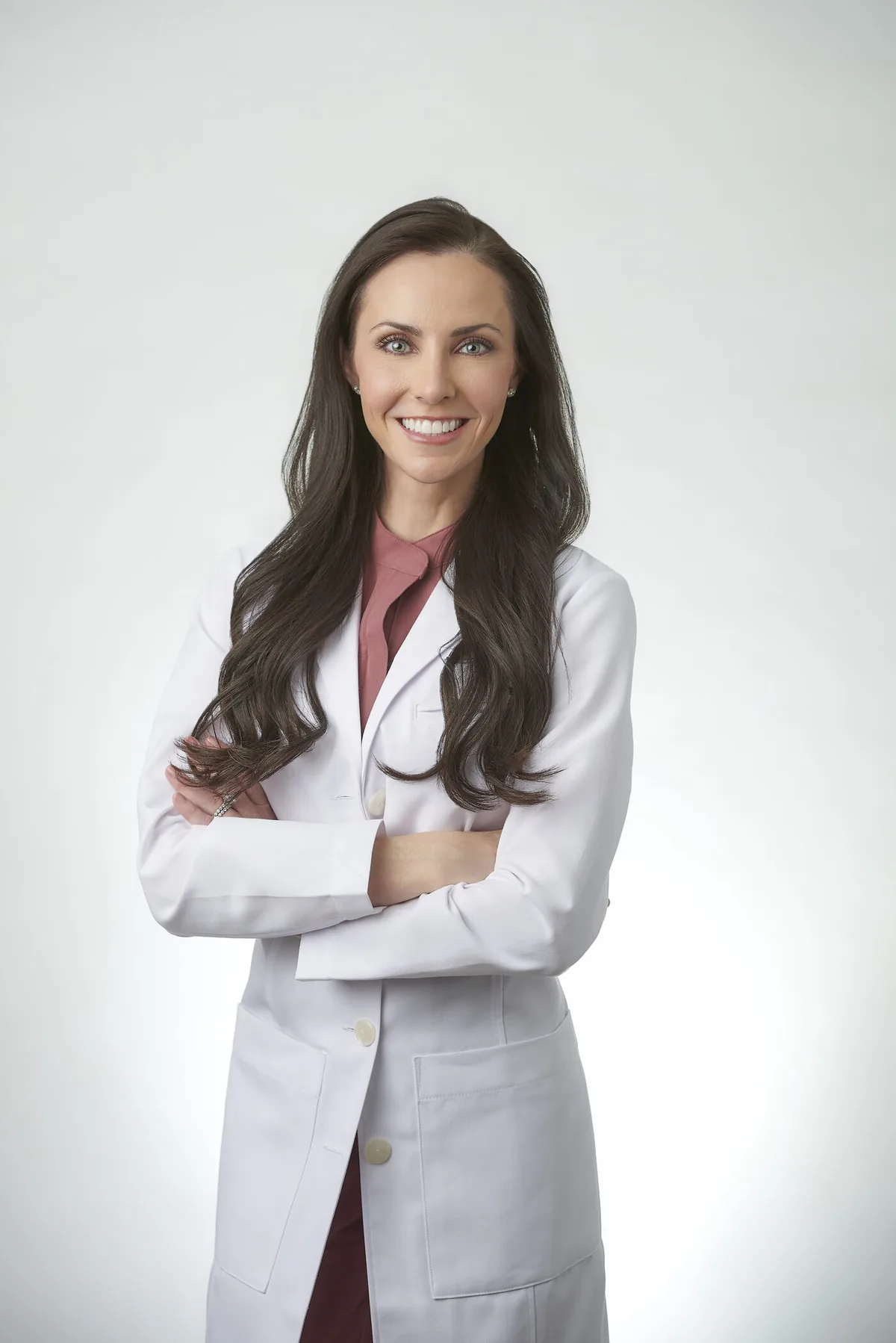
Aesthetica by Ashley Howarth MD is the medical aesthetics practice of Ashley Howarth, MD, FACS, a board-certified plastic surgeon and instructor in plastic surgery at Mayo Clinic. Melasma is the condition most often made worse by well-meaning cosmetic treatment, because the tools that clear ordinary sun spots, broadband light and high-energy lasers, are exactly the ones that inflame melasma. A physician-led practice starts with a diagnosis, distinguishes melasma from lentigines and post-inflammatory pigment before any device is chosen, prescribes the topicals that do most of the work, screens patients before oral tranexamic acid, and knows when to defer treatment entirely, as in pregnancy. Dr. Howarth sets those protocols, chooses the conservative MOXI settings the team uses, and is the physician who decides when a laser is not the answer.
Aesthetica by Ashley Howarth MD is the med spa of a plastic surgery practice, and that changes what can be offered. Most skin concerns are treated without surgery, and most patients never need it. When skin care and nonsurgical treatment reach their limit, the conversation does not end at the door: the same physician evaluates the next step, from deep laser skin resurfacing performed by Dr. Howarth to eyelid surgery, facelift, and neck lift. A surgeon directing the plan means more tools in the toolbox, and an honest answer about which one you need.
SCOTTSDALE · MODERN OFFICE SETTING
Where to Start
Who This Is For, and What Happens at the Skin Assessment
Melasma care at Aesthetica by Ashley Howarth MD is for anyone with symmetric facial pigment that darkens with sun and heat, especially patients whose patches have been treated as ordinary sun spots and worsened. The skin assessment distinguishes melasma from solar lentigines and post-inflammatory hyperpigmentation, which are treated differently, and estimates how deep the pigment sits. A member of the physician-led team reviews hormonal history, including pregnancy, breastfeeding, oral contraceptives, and hormone therapy; current sunscreen and its ingredients; heat exposure; and previous treatments and their effect. Patients who are pregnant or breastfeeding leave with a pregnancy-safe protection plan and a deferred treatment date. Everyone else leaves with a topical program, a tinted mineral sunscreen, and a calendar: topicals and protection now, peels or conservative MOXI between October and April, maintenance every summer.
Dr. Ashley Howarth, MD, FACS is a board-certified plastic surgeon and an instructor in plastic surgery at Mayo Clinic. Aesthetica by Ashley Howarth MD is the medical aesthetics brand of her practice, Howarth Plastic Surgery, at 7373 N. Scottsdale Road, Suite C150, Scottsdale, Arizona 85253.

Slow, Conservative, and Repeated
How Melasma Is Treated, in Order
Physician-Directed Topicals
The foundation of every melasma plan is a topical program of hydroquinone or non-hydroquinone brighteners, tretinoin, azelaic acid, and tranexamic acid, run for 3 to 4 months before improvement is judged.
The foundation of every melasma plan is a topical program set by the physician-led team: a hydroquinone-based combination for a limited course, or non-hydroquinone brighteners for longer use, with tretinoin to speed turnover, azelaic acid for pregnancy-safe suppression, and tranexamic acid, topical or oral, as prescribed. Topicals run for 3 to 4 months before improvement is judged and continue as maintenance. HydraFacial with brightening boosters supports the program.
Tinted Mineral Sunscreen and Heat Discipline
Because melasma responds to visible light and heat as well as UV, a tinted mineral sunscreen with iron oxides reapplied every two hours, plus avoidance of saunas and midday heat, is treatment rather than an accessory.
Melasma responds to visible light and heat as well as ultraviolet, so an untinted chemical sunscreen is not enough. A tinted mineral sunscreen with iron oxides, SPF 30 or higher, reapplied every two hours outdoors, plus a wide-brim hat and avoidance of hot yoga, saunas, and midday heat, is treatment, not an accessory. A 2015 randomized trial showed sunscreen that blocks visible light reduced melasma relapse.
Conservative Chemical Peels
Superficial chemical peels in a series of 4 to 6 accelerate removal of pigmented surface cells after topical pretreatment, while medium and deep peels are avoided because they can worsen melasma.
Superficial chemical peels with glycolic, salicylic, or mandelic acid, in a series of 4 to 6 spaced two to four weeks apart, accelerate the removal of pigmented surface cells once 2 to 4 weeks of topical pretreatment has quieted the melanocytes. Medium and deep peels are avoided because the inflammation can worsen melasma, particularly on Fitzpatrick IV to VI skin.
MOXI at Conservative Settings, and What Is Avoided
MOXI at low energy and density can lift pigment with little heat in a series of 3 to 4 sessions after topical pretreatment, while BBL HERO and IPL are generally avoided on melasma.
Sciton MOXI is a 1927 nm non-ablative fractional laser that, at low energy and density, can lift pigment from the surface layers with little heat; a series of 3 to 4 sessions between October and April, always after topical pretreatment. BBL HERO and IPL are generally avoided on melasma, and HALO is reserved for selected patients whose melasma is quiet and whose other sun damage justifies it.
Planning at a Glance
Sessions, Downtime, and Season
Sessions, downtime, and the months each part of a melasma program is scheduled in Scottsdale. Individual plans are set at the skin assessment.
| Treatment | Sessions | Downtime | Scottsdale season |
|---|---|---|---|
| Physician-directed topicals and tinted mineral SPF | Daily; reassessed at 12 weeks | None; mild dryness while adjusting | Year-round; the foundation of every plan |
| Superficial chemical peels | Series of 4 to 6, two to four weeks apart | 1 to 3 days of mild flaking | October to April; lightest peels only in summer |
| MOXI (conservative settings) | 3 to 4, four to six weeks apart | 1 to 2 days of pinkness | October to April; none after mid-April |
| HydraFacial with brightening boosters | Every 4 to 6 weeks | None | Year-round; the summer maintenance visit |
| BBL HERO / IPL | Not used for melasma | Not applicable | Generally avoided; risk of worsening |
A Visit Built Around Triggers
What to Expect at a Melasma Visit at Aesthetica by Ashley Howarth MD
Melasma visits at Aesthetica by Ashley Howarth MD spend more time on what you do every day than on what happens in the treatment room, because sunscreen, heat, and hormones decide the outcome more than any procedure does.
Pattern, depth, triggers, and history
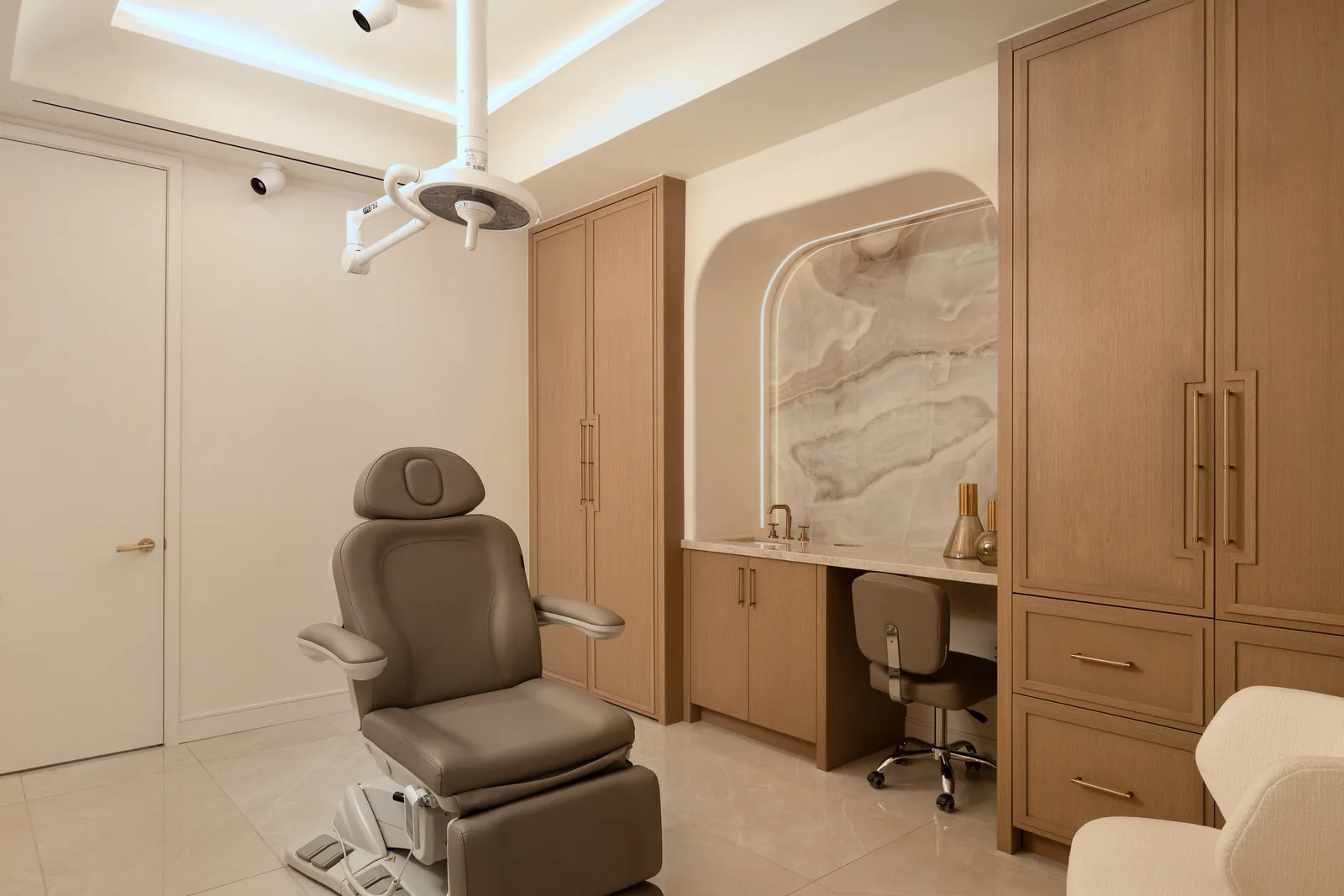
The team confirms the melasma pattern, distinguishes it from sun spots and post-inflammatory pigment, estimates depth under magnification, and reviews pregnancy and hormone history, current sunscreen ingredients, heat exposure, and every previous treatment and what it did.
Topicals first, procedures later
The first visit usually ends with a prescription topical program and a tinted mineral sunscreen rather than a procedure. Superficial peels or conservative MOXI begin 2 to 4 weeks later in laser season, once the pigment cells are suppressed. In summer, the visit is a HydraFacial with brightening boosters and a program check.
A trigger plan in writing
You leave with specific instructions: which topical to apply when and for how many months, the tinted mineral SPF and its two-hour reapplication, hat and shade rules, heat exposures to avoid, and the date the program is reassessed, usually at 12 weeks.
Clear Information. Informed Choices.
Safety and Limitations of Melasma Treatment in a High-UV Climate
Melasma treatment is safe when it is conservative and physician-directed. The main risk is the condition itself getting worse: any treatment that inflames or heats the skin, including aggressive peels, IPL, and high-energy lasers, can darken melasma, and darker skin types are more susceptible. Topicals have their own limits; hydroquinone is used in limited courses with breaks, tretinoin irritates if overused, and oral tranexamic acid requires physician screening. The other risk is disappointment, which is why we say plainly that melasma recurs and that maintenance is permanent.
Possible Side Effects Include
- Irritation, redness, and dryness from topical retinoids or hydroquinone
- Temporary darkening after a peel or laser before pigment lifts
- Post-inflammatory hyperpigmentation from any procedure, more likely on darker skin
- Rarely, a paradoxical blue-gray darkening (ochronosis) with prolonged unsupervised hydroquinone
- Oral tranexamic acid: physician screening required for clotting risk
What Treatment Cannot Guarantee
- A cure; melasma is controlled, not eliminated
- Clearance in one session or with light or laser alone
- A result that survives a summer without sunscreen and heat discipline
- Improvement during pregnancy, when treatment is deferred
- A result identical to another patient's
What a Melasma Program Looks Like
The First Year of Melasma Management
Melasma does not follow a treatment-and-recovery arc; it follows a program with phases. The timeline below covers the first year of a plan that begins in early fall. A plan that begins in summer starts at phase one and stays there until October.
The prescription topical program starts, usually a hydroquinone-based combination or a non-hydroquinone brightener with tretinoin or azelaic acid, and tranexamic acid where prescribed. Tinted mineral SPF 30 or higher every morning and every two hours outdoors, a hat, and no hot yoga or saunas. Mild dryness and redness are expected while the skin adjusts. No procedures yet.
With the pigment cells suppressed, a series of superficial chemical peels two to four weeks apart, or 3 to 4 conservative MOXI sessions four to six weeks apart, begins between October and April. Each produces 1 to 3 days of mild flaking or pinkness. Patches begin to lighten by the second or third session. Topicals and sunscreen continue throughout.
The program is judged at about 12 weeks and again at the end of the procedure series. Hydroquinone, if used, is paused after 3 to 4 months and replaced with a non-hydroquinone maintenance brightener. The last MOXI or peel is scheduled before mid-April. Photographs in matched light document the result, which is usually a substantial lightening rather than a disappearance.
No peels beyond the lightest, no laser, no light. Maintenance topicals, tinted mineral sunscreen, hats, shade, and heat avoidance, with a HydraFacial with brightening boosters every 4 to 6 weeks to support the program. Some darkening over summer is expected in Arizona; the goal is a smaller rebound each year. The next active phase is planned for October.
Before & After
Melasma, Before and After a Management Program
Melasma results are judged over months, not days, in photographs taken in identical light, and they show lightening rather than disappearance. Aesthetica by Ashley Howarth MD maintains before-and-after galleries for MOXI, chemical peels, and skin treatments, and the team can show you melasma cases that match your skin type and pattern during your visit, including what the same patient looked like after a summer of maintenance.
Patient Case Summaries
Selected Melasma Case Summaries
These deidentified case summaries illustrate how the physician-led team at Aesthetica by Ashley Howarth MD manages melasma around its triggers and the Arizona climate. They include long-term residents and new arrivals, Fitzpatrick IV to VI skin, pregnancy, summer timing, topical-only and combination programs, and a consultation in which the honest answer was that a laser had been the wrong treatment. Each summary connects the patient’s concern and skin assessment with the treatment performed or the recommendation made.
Case 01
Pregnancy deferred
Melasma in the second trimester, and a plan that waited
Patient presentation
A woman in her thirties with medium-brown skin (Fitzpatrick IV), five months pregnant, asked what could be done about new patches on her cheeks and upper lip that had appeared over one Arizona spring.
Skin assessment
The assessment confirmed pregnancy-related melasma (chloasma) in a classic centrofacial pattern. Hydroquinone, tretinoin, and oral tranexamic acid are not used in pregnancy, and no peel or laser was appropriate.
Recommendation
Treatment was deferred until after delivery and breastfeeding. A pregnancy-safe protection program was started: tinted mineral SPF 30 with iron oxides reapplied every two hours, a wide-brim hat, midday shade, and azelaic acid after confirmation with her obstetrician. A return visit was scheduled for after she finished breastfeeding.
Clinical rationale
The hormonal trigger was ongoing and the effective medications are not used in pregnancy. Protecting against further darkening through an Arizona summer was the only honest intervention, and some pregnancy melasma lightens on its own after delivery.
Follow-up
After delivery and breastfeeding the patches had partly faded. She returned the following October and started a hydroquinone-based combination with a conservative peel series, with a smaller summer rebound the next year.
Case 02
IPL made it worse
Patches treated as sun spots elsewhere came back darker
Patient presentation
A woman in her forties, a long-term Scottsdale resident with olive skin (Fitzpatrick IV), reported that intense pulsed light at another clinic had lightened her cheek patches for a few weeks, after which they returned larger and darker.
Skin assessment
The assessment showed symmetric melasma on both cheeks and the forehead with superimposed post-inflammatory hyperpigmentation from the light treatment. Her sunscreen was an untinted chemical formula, and she practiced hot yoga four days a week.
Procedure performed
No light or laser. A hydroquinone-based combination for 12 weeks, oral tranexamic acid after physician screening, a switch to tinted mineral SPF, and a pause on hot yoga. A series of five superficial glycolic peels at three-week intervals from November to February.
Clinical rationale
Broadband light heats and inflames melasma, which is why it recurred darker. Suppressing the pigment cells with topicals, removing the visible-light and heat triggers, and then gently accelerating turnover is the sequence that works on this skin type.
Follow-up
By March the patches and the post-inflammatory pigment were substantially lighter. She moved to a non-hydroquinone maintenance brightener for summer and returned in October for a shorter peel series.
Case 03
Darker skin type
Melasma on Fitzpatrick VI skin managed with topicals alone
Patient presentation
A woman in her fifties with deep brown skin (Fitzpatrick VI) who had moved from Georgia two years earlier described gradually darkening patches on her cheeks and temples that she had never had before Arizona.
Skin assessment
The assessment showed melasma with a dermal component on both cheeks. Her skin type carried the highest risk of post-inflammatory hyperpigmentation from any procedure, including peels, and the dermal pigment was unlikely to respond to surface resurfacing.
Procedure performed
A topical-only program: a non-hydroquinone brightener with azelaic acid and tretinoin at a low concentration, oral tranexamic acid after physician screening, tinted mineral SPF 30 with iron oxides, and HydraFacial with brightening boosters every six weeks. No peels, no laser.
Clinical rationale
On Fitzpatrick VI skin with dermal melasma, the risk of a procedure darkening the skin outweighed its likely benefit. Topicals, tranexamic acid, and visible-light protection address the condition without inflammation.
Follow-up
At six months the patches were lighter and had not darkened over the summer for the first time since her move. The program continues year-round with a physician review every three months.
Case 04
New arrival
Quiet melasma that woke up after a move from the Pacific Northwest
Patient presentation
A woman in her thirties with light-olive skin (Fitzpatrick III) reported that melasma from a pregnancy years earlier, long faded in Oregon, had returned across her forehead and cheeks within her first Arizona summer.
Skin assessment
The assessment confirmed epidermal melasma, untanned skin in October, and no previous treatment. She used an untinted chemical SPF 15 in a moisturizer and spent weekends hiking.
Procedure performed
A hydroquinone-based combination started two weeks before a series of three MOXI sessions at conservative settings, five weeks apart, from late October to February, with tinted mineral SPF 50, a hat, and hiking moved to early morning.
Clinical rationale
Epidermal melasma on lighter skin that has been suppressed with topicals responds to low-energy 1927 nm fractional treatment during laser season. The move to Arizona, not the pregnancy, was the active trigger, and the protection plan addressed it.
Follow-up
By March the patches had lightened substantially. Hydroquinone was paused, a maintenance brightener replaced it, and the summer rebound was mild. She repeats a shorter MOXI series each winter.
Case 05
Summer timing
A request for a peel series in July, and why the answer was October
Patient presentation
A woman in her forties with medium skin (Fitzpatrick IV) asked in July to start chemical peels for upper-lip melasma before a reunion in September.
Skin assessment
Her skin was lightly tanned, the UV index was at its annual peak, and the upper lip is an area that darkens readily after any inflammation on her skin type. A peel series in July was judged more likely to darken the melasma than to lighten it.
Recommendation
Peels deferred to October. A topical program started immediately with a non-hydroquinone brightener and azelaic acid, tinted mineral SPF reapplied at lunch, a hat, and two HydraFacials with brightening boosters in July and August.
Clinical rationale
Summer in Scottsdale is maintenance-only for melasma. Topicals and protection could produce a modest improvement by September with no risk; a peel could have produced a visible setback for the event.
Follow-up
The upper-lip pigment was modestly lighter by the reunion, and a series of five superficial peels began in October on untanned, topically prepared skin.
Case 06
Oral contraceptive trigger
Melasma that appeared after a new birth control, with a hormonal conversation first
Patient presentation
A woman in her twenties with medium-brown skin (Fitzpatrick IV) noticed patches on her cheeks within months of starting a new combined oral contraceptive and asked for a laser to remove them.
Skin assessment
The assessment confirmed early epidermal melasma in a malar pattern. The onset tracked the new medication, and an ongoing hormonal trigger limits what any procedure can achieve.
Recommendation
No laser. A conversation about the hormonal trigger, with a recommendation that she discuss contraceptive options with her prescribing physician; the aesthetics team does not change those medications. A topical program with azelaic acid and a non-hydroquinone brightener, tinted mineral SPF, and superficial peels planned for laser season if the pigment persisted.
Clinical rationale
Treating melasma while its hormonal driver continues produces a cycle of partial clearing and recurrence. Identifying the trigger and letting the prescribing physician weigh it is the honest first step; a laser would have treated the surface of a problem with a systemic cause.
Follow-up
After a change in contraception made with her physician, the patches faded on topicals and protection alone over four months, and no peel series was needed that year.
From First Visit to a Plan You Can Keep
Booking, Planning, and Follow-Up at Aesthetica by Ashley Howarth MD
Aesthetica by Ashley Howarth MD is a medical practice with a spa’s convenience. Established medspa patients book online. New patients can book online or request a consultation, and the team responds usually the same day.

Online booking or a consultation request
Book a skin visit directly online, or request a consultation and tell us when the patches appeared, what you have tried, and whether you are pregnant, breastfeeding, or on hormonal medication. Either path starts with the same skin assessment.
A program, not a procedure
You leave your first visit with a written program: the topical regimen and its duration, the tinted mineral sunscreen and heat rules, whether peels or conservative MOXI are planned and when they fall on the Scottsdale calendar, and the 12-week reassessment date.
Maintenance every summer, for as long as the triggers last
Melasma plans repeat annually: an active phase in the cooler months, maintenance topicals and protection through summer, and a physician review of the program each fall. A-List members have the next season scheduled before they leave the last one.
Your Questions, Answered
Melasma Frequently Asked Questions
No. Melasma is a chronic, relapsing condition that is managed, not cured. Its triggers, ultraviolet light, visible light, heat, and hormones, remain present, so pigment returns when protection lapses. A well-run program lightens the patches substantially, shrinks the summer rebound each year, and keeps the condition controlled with maintenance topicals and tinted mineral sunscreen for as long as the triggers last.
A physician-directed topical program comes first: hydroquinone-based or non-hydroquinone brighteners, tretinoin, azelaic acid, and tranexamic acid as prescribed, with tinted mineral SPF 30 or higher. Superficial chemical peels or MOXI at conservative settings are added between October and April. At Aesthetica by Ashley Howarth MD in Scottsdale, BBL and IPL are generally avoided on melasma because they can make it worse.
Arizona supplies every melasma trigger at once: about 300 days of sun, a summer UV index of 11 or higher, intense visible light, and well over 100 days at or above 100 degrees. Ultraviolet and visible light stimulate the pigment cells directly, and heat adds to it. That is why summer in Scottsdale is maintenance-only for melasma and active treatment runs October to April.
Carefully, and not with every device. Broadband light and IPL, and high-energy resurfacing lasers, heat and inflame the skin and have a documented history of darkening melasma, so Aesthetica by Ashley Howarth MD generally avoids them for this condition. MOXI, a 1927 nm non-ablative fractional laser, can help at low energy and density after topical pretreatment, in a series during laser season, with relapse expected without maintenance.
A tinted mineral sunscreen with zinc oxide or titanium dioxide and iron oxides, SPF 30 or higher, applied every morning and reapplied every two hours outdoors. The iron oxides in the tint block visible light, which untinted sunscreens do not, and a 2015 randomized trial found that visible-light protection reduced melasma relapse. A wide-brim hat and shade at midday complete the protection.
Yes, when prescribed and supervised. Hydroquinone, usually in a combination with tretinoin and a low-potency corticosteroid, is the most studied melasma topical. It is used in courses of about 3 to 4 months followed by a break and a non-hydroquinone maintenance product, because prolonged unsupervised use can cause irritation or, rarely, a blue-gray darkening called ochronosis. The physician-led team sets the course and the breaks.
Yes. Oral tranexamic acid has been shown in meta-analyses of randomized trials to reduce melasma severity, and topical forms help as part of a program. Oral tranexamic acid is a prescription that requires physician screening for personal or family clotting risk and other contraindications, which is one reason melasma is managed at a physician-led practice rather than a spa.
Active treatment is deferred. Hydroquinone, tretinoin, and oral tranexamic acid are not used in pregnancy, and peels and lasers are not appropriate. A pregnancy-safe protection program, tinted mineral sunscreen, a hat, shade, and azelaic acid with your obstetrician’s agreement, limits darkening through an Arizona summer, and some pregnancy melasma lightens on its own after delivery. Treatment begins after breastfeeding ends.
Yes. Melasma is more common on Fitzpatrick IV to VI skin, and those skin types have a higher risk of post-inflammatory hyperpigmentation from any procedure, including peels. The physician-led team leans on topicals, tranexamic acid, and visible-light protection, uses only superficial peels at longer intervals, and often treats deeper melasma on Fitzpatrick V and VI skin with topicals alone.
Established medspa patients can book online. New patients can book online or request a consultation through this page; the team responds usually the same day. Aesthetica by Ashley Howarth MD is located at 7373 N. Scottsdale Road, Suite C150, Scottsdale, Arizona 85253, and can be reached by call or text at 480.535.5021.
Related Care
Treatments for Arizona Skin
These pages explain the treatments named in this guide. Concern-specific guides for sun damage, redness, melasma, dryness, and texture are being added to this section.
- Chemical Peels Superficial peels after topical pretreatment
- MOXI Laser 1927 nm fractional laser at conservative settings
- HydraFacial Brightening support, safe in summer
- Facials Program support between active phases
- BBL HERO For sun spots, generally not for melasma
- Skin in Arizona Why timing matters in the desert
BEGIN HERE
Request a Consultation
Tell us what you are considering. A member of our patient care team will follow up with consultation availability and next steps.

Megan S.
Patient Coordinator
Prefer to talk or text?
Selected References