MORE THAN A NUMBER
How Breast Implant Selection Works
Breast implant selection matches implant dimensions and characteristics to the chest, breast tissue, skin, goals, and complete surgical plan. It is not a separate operation or a cup size chosen from a photograph.
Width, volume, projection, fill, surface, tissue coverage, asymmetry, and procedure compatibility work together. The same implant can look different on two women because their anatomy and tissue respond differently. No single implant is best for everyone.
This page explains the device decision. Breast Augmentation covers the complete primary operation; Breast Revision covers decisions after prior surgery; and Motiva Breast Implants provides device-specific information.

START WITH THE DECISION
Questions That Bring Women to Implant Selection
You may know how you want clothing to fit or your proportions to feel without knowing device terminology. You do not need a brand, profile, or volume picked before consultation.
- Relate width, volume, and projection to the chest and desired proportion
- Compare silicone, saline, device labeling, dimensions, and monitoring
- Understand how tissue coverage and pocket position affect compatibility
- Consider asymmetry, breast position, skin, activity, and long-term goals
- Reevaluate implant choices during revision without relying on one number
The goal is a supported range and a reasoned recommendation—not an implant chosen from a photograph or bra size.

CONFIRM THE RIGHT PROCEDURE FIRST
Breast Implant Selection, Candidacy, and Consultation
Selection follows confirmation that implant surgery fits your health history, anatomy, breast position, tissue, and goals. During consultation, Dr. Howarth evaluates breast and chest dimensions, tissue coverage, skin, asymmetry, prior surgery, activity, and the type of change you want.
An implant may fit a first-time augmentation or revision plan. A Breast Lift, Fat Transfer, or waiting may better address a different concern. FDA labeling begins cosmetic saline augmentation at age 18 and silicone gel augmentation at age 22, but age alone does not establish candidacy.
When Surgery May Not Be the Right Choice
The purpose of consultation is to identify the most appropriate next step—not to presume that an operation is needed. Dr. Howarth may recommend waiting, further evaluation, a different setting or approach, nonsurgical care, or no surgery when that is the more appropriate recommendation.

PERSONAL DECISIONS. THOUGHTFUL CARE.
Privacy During Breast Surgery Consultation and Care
Questions about breast surgery can feel personal. When you contact us, you can tell us whether you prefer a call or text. Your consultation with Dr. Howarth is a thoughtful conversation about your anatomy, concerns, and goals.
JUDGMENT BEFORE DEVICE
Choosing a Breast Implant Surgeon: Why Dr. Howarth
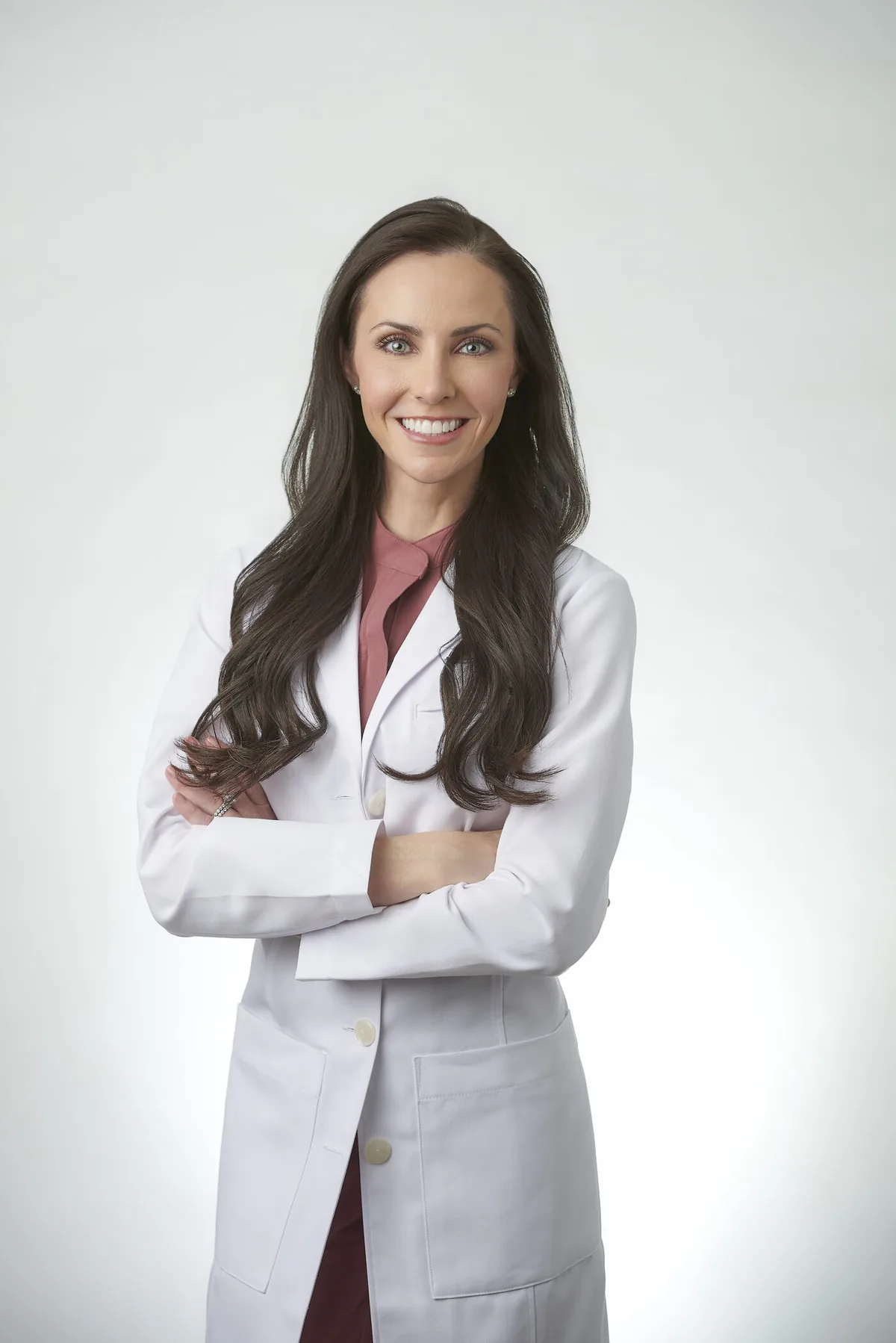
Ashley Howarth, MD, FACS, is a board-certified plastic surgeon in Scottsdale, a Diplomate of the American Board of Plastic Surgery, an Instructor in Plastic Surgery at Mayo Clinic, and a Fellow of the American College of Surgeons. Her background includes nine years of formal surgical training in general, plastic, and reconstructive surgery.
Implant catalogs describe dimensions and materials. They cannot determine which tradeoffs fit a woman’s tissue, which pocket works with her anatomy, or whether another procedure better addresses her concern.
Dr. Howarth connects the requested change with anatomy, current device labeling, the surgical plan, and its limits. The decision begins with the patient rather than the product.
PLASTIC SURGERY
OF SURGEONS
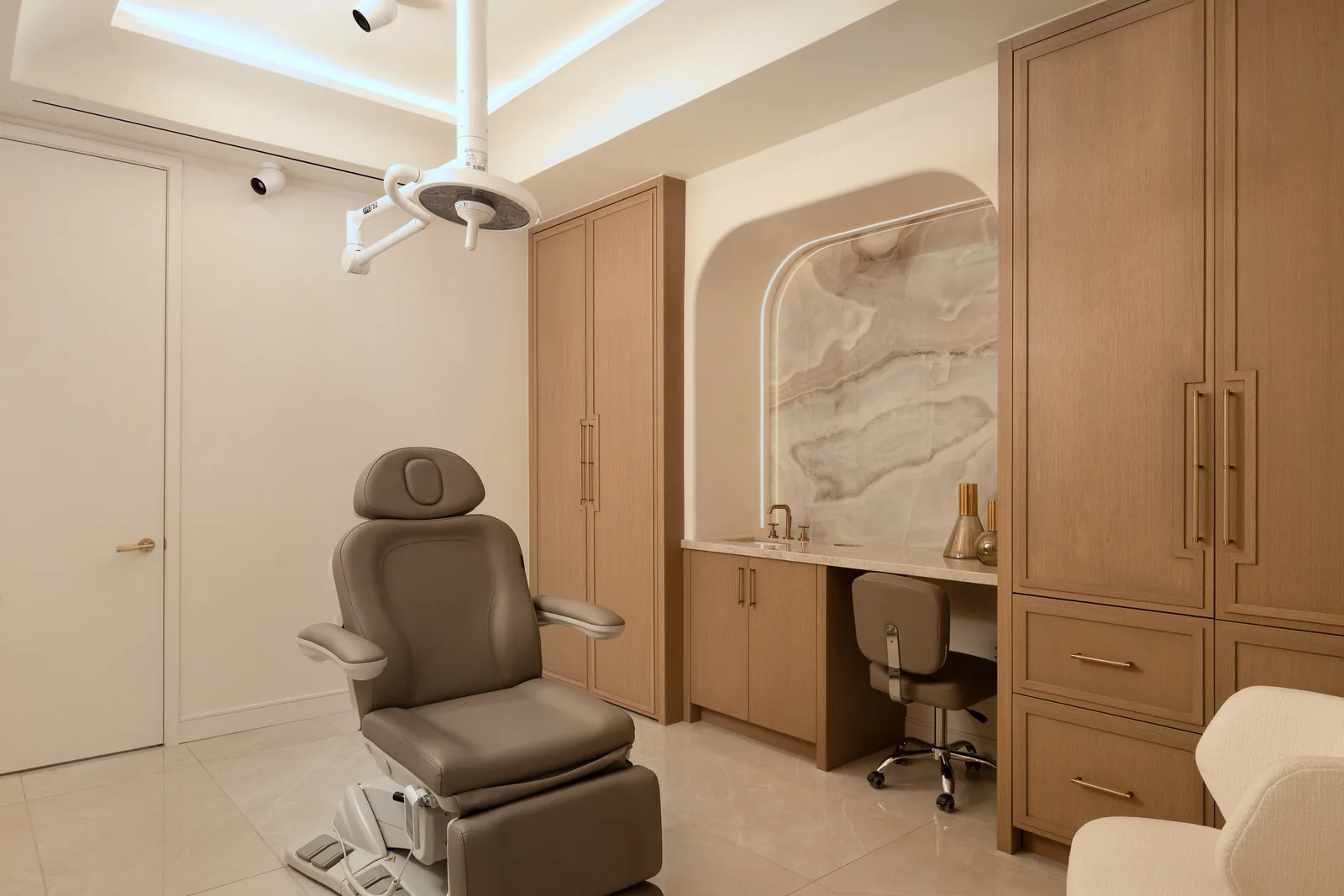
SCOTTSDALE · MODERN OFFICE SETTING
FROM CONSULTATION TO CONFIDENCE
Breast Implant Selection Consultation and Patient Care Coordination
From your first inquiry, your patient care coordinator helps organize scheduling, estimates, financing, forms, travel, and follow-up logistics. Dr. Howarth and her clinical team answer medical questions and make all clinical recommendations.

A thoughtful beginning.
Your patient care coordinator can arrange an in-person or virtual consultation and explain what records, photographs, or other information to have ready. An in-person examination is completed before the operative and implant plan is finalized.
Clear information before you decide.
After Dr. Howarth recommends a plan, your patient care coordinator can review the written estimate, available financing options, scheduling requirements, forms, and next steps. The estimate includes the implant and complete operation rather than a separate selection fee.
Practical details, clearly organized.
If you are traveling to Scottsdale, your coordinator can help align consultation, surgery, and follow-up. Dr. Howarth and her clinical team provide device-specific and individualized medical guidance. Required timing follows the complete procedure.
NO VARIABLE WORKS ALONE
Breast Implant Size, Profile, Fill, and Fit
Width
Base width relates the implant to the breast footprint and chest; equal volumes can have different widths.
Volume
Volume is measured in cubic centimeters, but it cannot predict a bra cup or final appearance by itself.
Profile & Projection
Projection works with width, volume, tissue, and goals; a higher profile is not automatically more appropriate.
Fill & Device
Saline or silicone fill, shell, surface, dimensions, labeling, and monitoring all belong in the comparison.
DEFINE · EVALUATE · COMPARE
From Preferences to an Implant Plan
Photographs and bra-size language can communicate direction, but they cannot promise another person’s result. Consultation translates what you want more or less of into anatomy, measurements, supported device ranges, and the complete operative plan.
Describe the direction.
Discuss proportion, clothing, upper-pole fullness, projection, movement, and how visible or restrained you want the change to feel.
Measurements create context.
Examination considers chest and breast dimensions, tissue coverage, skin, position, asymmetry, activity, and prior surgery.
A reasoned range, not one number.
Compare relevant widths, volumes, profiles, fills, labeling, limitations, and long-term guidance within the complete plan.
DEVICE INFORMATION IN CONTEXT
Breast Implant Safety and Selection
Breast implants are FDA-regulated medical devices, but approval does not make them risk-free or permanent. The exact implant’s labeling, boxed warning, patient decision checklist, device card, risks, and monitoring guidance are part of the augmentation or revision decision.
Concerns include capsular contracture, rupture or leakage, rippling or visibility, malposition, sensation change, infection, fluid collection, pain, scarring, and additional surgery. FDA counseling also addresses rare implant-associated cancers and reported systemic symptoms.
Selection Should Account For
- The exact device labeling, boxed warning, and decision checklist
- Tissue coverage, implant visibility, rippling, and pocket compatibility
- Rupture behavior, surveillance guidance, and future imaging
- Capsular contracture, malposition, pain, and possible reoperation
- Routine breast screening and symptoms that deserve evaluation
- How pregnancy, weight change, aging, and gravity may alter the breast
What an Implant Cannot Guarantee
- A particular bra cup size, exact cleavage, or another patient’s result
- Perfect symmetry, a specific softness, or an invisible scar
- A permanent breast shape unaffected by time or life changes
- A specific lifespan or freedom from future imaging or surgery
- That the largest or highest-profile option is the best fit
THE DEVICE IS ONE PART OF THE PLAN
How Implant Choice Affects Long-Term Planning
Implant selection has no separate recovery; healing follows the augmentation or revision. The implant still carries long-term documentation, surveillance, breast-health, and possible future-surgery considerations.
Work, driving, exercise, scars, and activity guidance come from the augmentation or revision performed—not device selection alone.
Retain the device card and labeling so the manufacturer, model, size, and identifying details remain available.
Silicone-implant surveillance and any symptom-led imaging follow current device labeling and individualized clinical recommendations.
Breast implants are not lifetime devices. [1] Changes in comfort, shape, position, or breast health may prompt examination, imaging, or another operation.
BEFORE & AFTER GALLERIES
Private Breast Augmentation Before & After Gallery
Breast Augmentation before-and-after photographs can feel deeply personal. As both a woman and a surgeon, Ashley Howarth, MD, FACS, understands the trust involved in sharing them. Howarth Plastic Surgery in Scottsdale makes galleries of real patient results available by request through private before-and-after reviews.
Keeping breast augmentation before-and-after galleries off unrestricted public pages helps preserve patient dignity and clinical context while limiting casual viewing, unauthorized reposting, and collection by automated systems or AI agents.
During your private before-and-after review, you can see a range of breast augmentation results and discuss how starting anatomy, surgical choices, healing, and time influenced each outcome. These photographs can support an informed consultation, but individual results vary, and no image can predict your outcome.
PATIENT CASE SUMMARIES
Selected Breast Implant Selection Case Summaries
These deidentified case summaries illustrate how Ashley Howarth, MD, FACS, approaches breast implant selection at Howarth Plastic Surgery in Scottsdale, Arizona. They show why width, projection, profile, tissue coverage, asymmetry, pocket position, and patient goals must be evaluated together. To protect patient privacy, some nonclinical identifying details have been generalized or modified. Individual anatomy, procedures, healing, and results vary.
Case 01
Base-width fit
Breast base width established the starting range for implant selection
Patient presentation
The patient had a preferred size but wanted proportion on a narrow chest.
Clinical evaluation
Dr. Howarth evaluated breast width, chest dimensions, nipple position, tissue thickness, skin capacity, and projection.
Procedure performed
Augmentation used implants selected to remain compatible with natural breast boundaries.
Clinical rationale
Implant width and projection must fit the breast base; volume follows dimensional fit.
Follow-up
Follow-up assessed position, breast boundaries, accommodation, symmetry, and settling.
Case 02
Profile and projection
Similar implant volumes produced different projection choices
Patient presentation
The patient was unsure whether she preferred broader shape or greater forward projection.
Clinical evaluation
Dr. Howarth compared width, proportions, tissue, elasticity, and profile effects.
Procedure performed
Augmentation used a profile selected for the agreed balance of width, projection, and contour.
Clinical rationale
Similar volumes can have different widths and projections and therefore different fits.
Follow-up
Assessment reviewed settling, width, projection, and alignment with the aesthetic direction.
Case 03
Tissue coverage
Thin tissue limited implant size and influenced device and pocket choices
Patient presentation
The patient requested more volume but worried about visible edges and rippling.
Clinical evaluation
Examination assessed thickness, skin, base, chest wall, visibility risk, pockets, and requested size.
Procedure performed
Augmentation used dimensions and pocket placement balancing desired volume with limited coverage.
Clinical rationale
Large or poorly fitted devices place greater demands on a thin envelope.
Follow-up
Follow-up evaluated edges, rippling, position, settling, and known limitations.
Case 04
Side-specific selection
Unequal breasts required implant selection by side
Patient presentation
The patient wanted augmentation and improved balance between different breast volumes and shapes.
Clinical evaluation
Dr. Howarth compared base widths, volume, coverage, folds, nipples, chest wall, and implant combinations.
Procedure performed
Augmentation used side-specific implant and pocket decisions.
Clinical rationale
Identical devices do not automatically create better symmetry.
Follow-up
Review assessed position, volume, fold and nipple relationships, and residual asymmetry.
Case 05
Lifestyle priorities
An active lifestyle shaped implant size, profile, and pocket counseling
Patient presentation
The patient prioritized exercise, proportionate implant weight, and an athletic silhouette.
Clinical evaluation
Dr. Howarth assessed muscle activity, dimensions, coverage, projection, implant width, and pocket tradeoffs.
Procedure performed
Augmentation used an implant and pocket plan selected for anatomy, activity, and restrained volume.
Clinical rationale
Lifestyle helps define acceptable tradeoffs involving size, stress, visibility, and muscle movement.
Follow-up
Follow-up reviewed healing, activity return, implant behavior, and contour.
Case 06
Anatomic limit
A requested implant size was not recommended because it exceeded tissue limits
Patient presentation
The patient requested an implant wider and heavier than her breast base and envelope supported.
Clinical evaluation
Dr. Howarth evaluated width, skin capacity, thickness, fold strength, nipple position, support, and expectations.
Recommendation
The requested implant was not recommended; a smaller compatible range and not proceeding were discussed.
Clinical rationale
An oversized implant could increase malposition, visibility, stretching, and revision risk.
Follow-up
The patient received dimensional guidance and reviewed reasonable alternatives.
PLANNING WITH CLARITY
Breast Implant Selection Cost, Financing, and Travel to Scottsdale
Breast Implant Selection and Cost
Breast implant selection does not carry a separate fee. At Howarth Plastic Surgery in Scottsdale, the implant cost is incorporated into the augmentation or revision plan Dr. Howarth recommends. Primary breast augmentation typically costs $14,000 to $19,500, while revision or combined plans may cost more. After consultation, you will receive a personalized written estimate for the complete operation.
Financing Options
Howarth Plastic Surgery is a cash-pay practice and does not accept or bill insurance. Your patient care coordinator can review financing through PatientFi and CareCredit, subject to third-party approval.
Planning Care in Scottsdale
If you are traveling from elsewhere in Arizona or out of state, out-of-town patient information can help you plan around consultation, surgery, and follow-up. Required appointment dates, how long to remain nearby, and when travel may resume are individualized. An initial consultation may take place virtually, but an in-person examination is required before the operative plan is finalized.
QUESTIONS WORTH ASKING
Breast Implant Selection Frequently Asked Questions
Size is not one number. Chest dimensions, tissue coverage, asymmetry, desired proportion, width, volume, projection, and procedure compatibility define a useful range—not a promised cup size.
No. Bra sizing varies, and the same implant looks different across bodies. Cup-size language can communicate a goal but is not a precise measurement or guarantee.
Neither is universally better. Fill, feel, failure behavior, age labeling, dimensions, incision considerations, and monitoring differ. The decision depends on anatomy, preferences, the plan, and device labeling.
Profile relates implant width to forward projection. It works with volume, chest dimensions, tissue, and the desired change; higher is not automatically more appropriate.
Both matter. Volume describes fill, while width and projection describe how that volume is distributed. The implant must fit the breast footprint, tissue, and complete plan.
Brand is one factor alongside dimensions, fill, labeling, anatomy, availability, and the operation. Motiva Breast Implants explains one manufacturer used frequently by the practice.
No. Appearance and feel depend on the implant, tissue coverage, breast shape, pocket, healing, and time. Consultation translates “natural” into specific preferences and limits.
No implant choice creates a guaranteed lifespan. Device-specific labeling, symptoms, examination, imaging, and time guide follow-up and any future surgery.
Current FDA labeling recommends ultrasound or MRI beginning five to six years after silicone implant surgery and every two to three years afterward, even without symptoms. Concerns may require earlier evaluation.
Often, but the implant must be considered with the capsule, pocket, tissue, scars, breast position, records, and reason for revision. Breast Revision explains that broader decision.
Breast implant selection does not carry a separate fee. At Howarth Plastic Surgery in Scottsdale, the implant cost is incorporated into the augmentation or revision plan Dr. Howarth recommends. Primary breast augmentation typically costs $14,000 to $19,500, while revision or combined plans may cost more. After consultation, you will receive a personalized written estimate for the complete operation.
Travel may be possible when consultation, device selection, surgery, and follow-up can be coordinated safely. Begin with the Out-of-Town Patient guide and your patient care coordinator.
Related Care
Related Breast Procedures
Continue with the page that best matches the question or surgical decision you are considering.
- Breast Augmentation Candidacy, technique, risks, recovery, and cost.
- Breast Revision Decisions after prior breast surgery.
- Motiva Breast Implants Device-specific manufacturer and FDA information.
- Ballerina Breast Augmentation A restrained aesthetic goal.
- Subfascial Breast Augmentation A selective pocket plane and its tradeoffs.
- Motiva Preservé How a branded surgical approach differs from the implant-selection decision.
BEGIN HERE
Request a Consultation
Tell us what you are considering. A member of our patient care team will follow up with consultation availability and next steps.

Megan S.
Patient Coordinator
Prefer to talk or text?